





Recognizing the Signs of Addiction in Yourself & Others

What Is Addiction?
The National Health Service (NHS) in the UK defines addiction as:
“Not having control over doing, taking or using something to the point where it could be harmful to you.”
People are considered to have an addiction when they are consistently and compulsively engaging in something that’s unhealthy for them, whether that’s using a substance or performing a specific activity.
Addiction has a very broad definition because it covers a lot of different habits and behaviours we do. While we have specific words or phrases like “alcoholic” or “compulsive gambler”, these are just ways of referring to particular addictions people can have.
While the definition is broad, a key part of addiction is the dependence you build on a substance or behaviour, even when it is actively harming you.
Make no mistake: addiction is a disease. When you are addicted to a substance or a behaviour, it changes your brain chemistry to make you compulsively seek out the object of your addiction.
The good news is that addiction is a treatable disease. It is often a lifelong battle with relapses, but you can conquer addiction with the right resources, support, and lifestyle changes.
What Can You Be Addicted to?
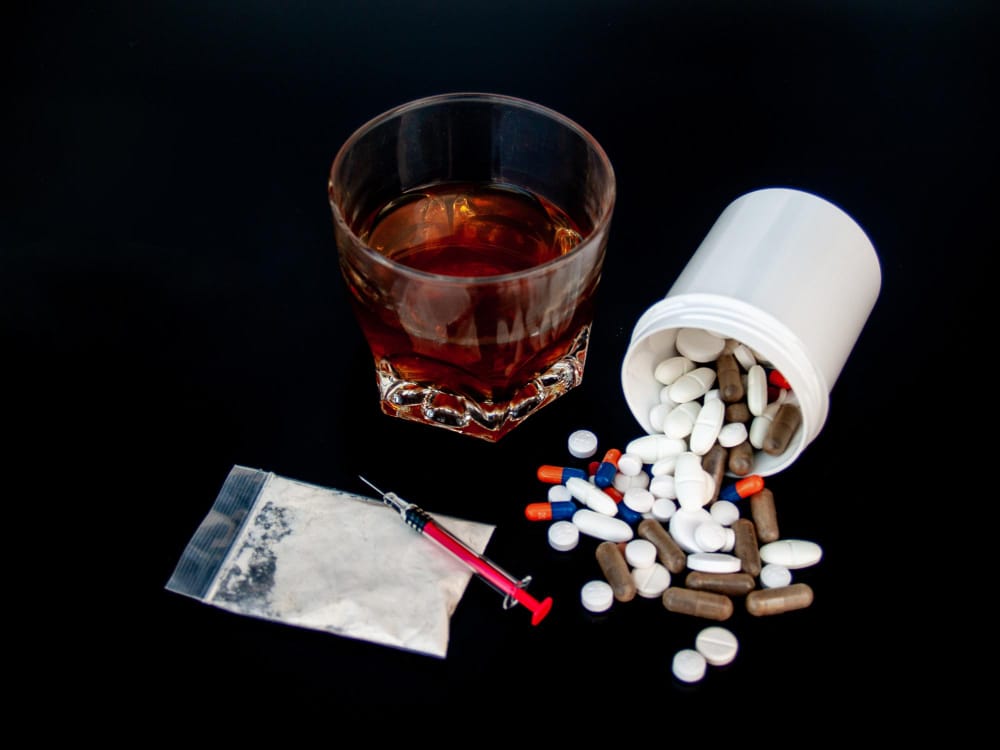
Any substance or behaviour that creates a sense of dependence can be addictive. Some of the substances that are widely known to be addictive include:
- Alcohol
- Heroin
- Nicotine (in cigarettes or other forms)
- Cocaine
- Methamphetamine
- Fentanyl
- Painkillers, especially opioids
- Ecstasy (also known as MDMA or Molly)
- Khat (also known as miraa)
- Methadone
- Inhalants, such as solvents
This is not a full list of all addictive substances, but these are some of the main substances we see abused in Tanzania and Kenya. Alcohol eclipses all other drugs and substances as the most widely used and abused in East Africa.
Beyond the physical substances, what types of behaviours or actions can be addictive? Here are a few:
- Gambling and betting
- Food addiction
- Shopping, usually compulsive spending
- Device use, such as overuse of the internet or video games (Gadget addiction)
- Risky behaviour addiction
- Sex addiction
- Workaholism
- Dieting or excessive exercise
None of these behaviours are inherently unhealthy, but all of them have the potential to be addictive for some people.
How does behavior addiction work? Let’s look at 2 common examples we see regularly.
Gambling Addiction
Gambling addicts chase the high of winning big, even if they go hours, days, or weeks between hits. They will often go into deep debt in order to continue placing bets, operating slot machines, or gambling in a casino. Even if they win, they won’t quit betting and will often lose any winnings on continued gambling.
Another characteristic of a gambling addict is the cycle of binging and regret. When you are addicted to gambling, you may go on a binge where you gamble excessively, even borrowing large sums to pay for it all, only to regret your actions afterwards when you suffer from the financial repercussions.
Gambling addicts continue returning to this unhealthy habit despite the enormous negative impacts it has on their life.
Food Addiction
Overeating is another common behavioural addiction characterized by eating for other reasons besides physical nourishment. This behaviour usually shows up when you are using food to cope with unaddressed mental or emotional problems.
With food addiction, the purpose is not to feel full, but to enjoy the dopamine your brain releases when you eat something you enjoy. That feeling can become addictive for some, leading to compulsive eating that doesn’t stop, even when the physical consequences become obvious.
Other Addictions
It’s possible to become addicted to other substances or behaviours not discussed here. This is simply an overview of some of the most common addictions we encounter in East Africa. The purpose of this list is to help you see the broad nature of addiction and identify some of the possible problem areas in your own life or the lives of your loved ones facing addiction.
Who Can Suffer from Addiction?
Anyone can suffer from addiction. It doesn’t matter your age, sex, ethnicity, nationality, income level, or otherwise.
Some people are more predisposed to addiction, but it’s usually based more on what they are exposed to and their lifestyle. People who are exposed to addictive substances from a young age, those who live high-pressure lifestyles, people who suffer from mental health conditions, and those with relatives who suffer from addictions may be more likely to develop an addiction.
Classic examples of these situations are the descendants of alcoholics also suffering from alcoholism or overworked professionals who engage in addictive substances to fight against stress.
While these are examples of people who are more susceptible to addiction, the truth is that anyone can become addicted under the right circumstances. No one is immune to addiction.
Signs of Addiction
Different types of addictions can exhibit different signs. However, there are some common signs and symptoms of addiction.
For the sake of helping more people recognize addiction, we have separated this section into 2 parts:
Signs that You May Be Addicted
Signs that Your Loved Ones May Be Addicted
This separation is meant to help you find the information you need as quickly as possible. Remember that addiction is not a one-size fits all disease. While the signs we’ve listed here may be common in many people, no one will display all these signs or they may show up a little differently in everyone.

What to Look for in Yourself
Examine yourself honestly and see if you notice any of these signs of addiction.
- Turning to a substance or behaviour to cope with stress or feel better
Addiction is often a way to cope with difficult emotions or situations. You may turn to substances and behaviours as an escape or a form of release from the stress of life.
- Losing control of your behaviour
You could find yourself being unable to stop your habits or unable to regulate how much time you spend doing them. This also shows up as compulsively doing it, even when you don’t want to.
- Neglecting your responsibilities
If your addictive habit starts to take priority over your normal life responsibilities this is a sign of addiction, whether those are public responsibilities like work or private ones like personal hygiene or chores.
- Losing interest in other areas of life
Maybe you used to have hobbies, a strong social life, and other interests, but now you are replacing those activities with an addictive habit.
- Spending too much time thinking about your habit
Even when you’re not actively doing the habit, you may find yourself thinking about it often.The more you do it, the more you think about it.
- Changes to your mood
When an addictive habit starts to take over, you may start experiencing shifts in your mood and mindset. You may be more irritable, lose patience quickly, and find yourself in a neutral or negative mood more often when you’re not engaging with your habit.
- Negative health impacts
If you are noticing negative impacts to your physical health and continuing the behaviour that is causing those impacts, you may be suffering from addiction.
If you think you recognize some signs of addiction in your life, there is help. You can make changes today that will help you take positive steps forward from here on.
Jump to: What to do if you notice signs of addiction

What to Look Out for in Others
How do you spot the signs of addiction in your loved ones?
While the signs above focus mostly on feelings and patterns you can spot in your own life, these signs are more visible from the outside:
- Regular abuse of a substance or inappropriate behaviour
If any time your loved one uses a substance or engages in a behaviour they overdo it, this can be a sign of addiction. Addicts often abuse substances when using them, but they may not realize it.
- Unusual mood swings and outbursts
Mood swings with no clear cause or sudden outbursts of anger and aggression can be signs of addiction.
- Erratic behaviour
Unusual behaviours, especially risky behaviours that are not normal for them, may increase when someone is suffering from addiction.
- Becoming secretive or defensive
Addicts often become defensive about their habits and may get secretive about their substance use or their addictive habits.
- Dramatic shifts in daily habits
If someone makes sudden, unexplained changes to their daily habits in order to increase their time partaking in an addictive habit, this can be a sign that they are no longer in control of it.
- Loss of interest in activities
People who are caught in addiction tend to lose interest in things they used to enjoy, instead replacing those interests with substance use or other unproductive activities.
- Missing work, school, or other daily responsibilities
As an addiction grows, your loved one may begin prioritizing it and may stop caring about fulfilling their regular responsibilities.
- Theft of money or valuables
Some addicts may search for ways to fund their addiction if they don’t have the means on their own. When someone becomes desperate, they may begin selling off items or stealing in order to get money to pay for their addiction.
- Changes in social groups
Addicts tend to want to hang around others who engage in similar behaviours as they do. This could mean a shift in who your loved one is spending their time with.
- Increased anxiety and depression
Use of addictive substances, especially hard drugs or alcohol, can cause increases in anxiety and depression, even if those problems did not exist before the addiction began.
- Random, unexplained injuries
Some addictive behaviours may directly lead to unexplained injuries, such as injection marks from needles, but other addictive habits can still lead to indirect injuries. People who are abusing substances may be more clumsy and prone to injury. They may not be aware of how they got an injury, or may be unwilling to tell you.
- Sweating palms, shakiness, or swelling
These physical symptoms can all be signs of substance abuse disorder.
- Red or glazed eyes, blank staring
When someone is actively under the influence of a substance, symptoms like red, glazed eyes and blank staring are commonly visible.
- Changes from normal sleeping habits
Addiction can cause insomnia and changes to normal sleeping habits. If your loved one changes their sleep pattern to something highly unusual, including being awake at odd hours and sleeping during the day, this can be a sign of addiction.
- Personal hygiene deteriorating
As addiction worsens, your loved one may stop caring about routine things like personal hygiene. Deteriorating hygiene can also be a sign of a mental health crisis, whether it’s related to addiction or not.
- Rapid changes in weight
Rapid, unexplained weight loss or gain can both be signs of addiction.
- Unusually high or low energy, or extreme cycles between both
Addiction messes with your ability to sleep, eat, and care for yourself. Because of this, your loved one could show signs of lethargy and low energy on a regular basis paired with hyperactive, high energy when they engage with their addictive habit.
Unfortunately, there’s no one universal sign of addiction you can look out for. These signs can point to addiction, with the likelihood increasing the more signs you see.
It’s important not to make assumptions about addiction in others. While signs can be helpful to identify a potential problem, you should not try to diagnose addiction on your own.

What to Do If You See the Signs of Addiction?
If you believe you are addicted or you are concerned about a loved one in your life, the best thing to do is to seek professional help. Addiction is a serious disease that should not be taken lightly.
If you think you are addicted: Talk to someone about it. Ask for help from someone you can trust, whether that’s a parent, a religious figure, a close friend, a sibling, or another person you look up to.
It’s a good idea to get in touch with a professional, if you are able. Check for people who may be able to assess your situation and get you connected with the right resources.
View professionals working with addiction in Tanzania and Kenya in the Mwangaza wa Sunday directory:
If you think a loved one is addicted: Ask for help from someone who is trained in addiction treatment. They can help you with information, resources, and encouragement about how to approach your loved one.
It’s important to approach your loved one with compassion and openness. Addiction must be overcome by the person who is suffering from it. You can’t do it for them. Show them love and support, connect them with resources, and help them see the concerning signs you’ve noticed in their life.
Information and Connection Are Powerful
Mwangaza wa Sunday is all about connecting you with a community of people and resources to help with addiction and mental health struggles. You can connect in a few ways:
Call, text, or send a message on WhatsApp:
+255 788 664 508 (Tanzania)
+254 769 235 199 (Kenya)
Send an email:
info@mwangazawasunday.co.tz
Help is available for everyone. Embrace change and start working toward a better life today.