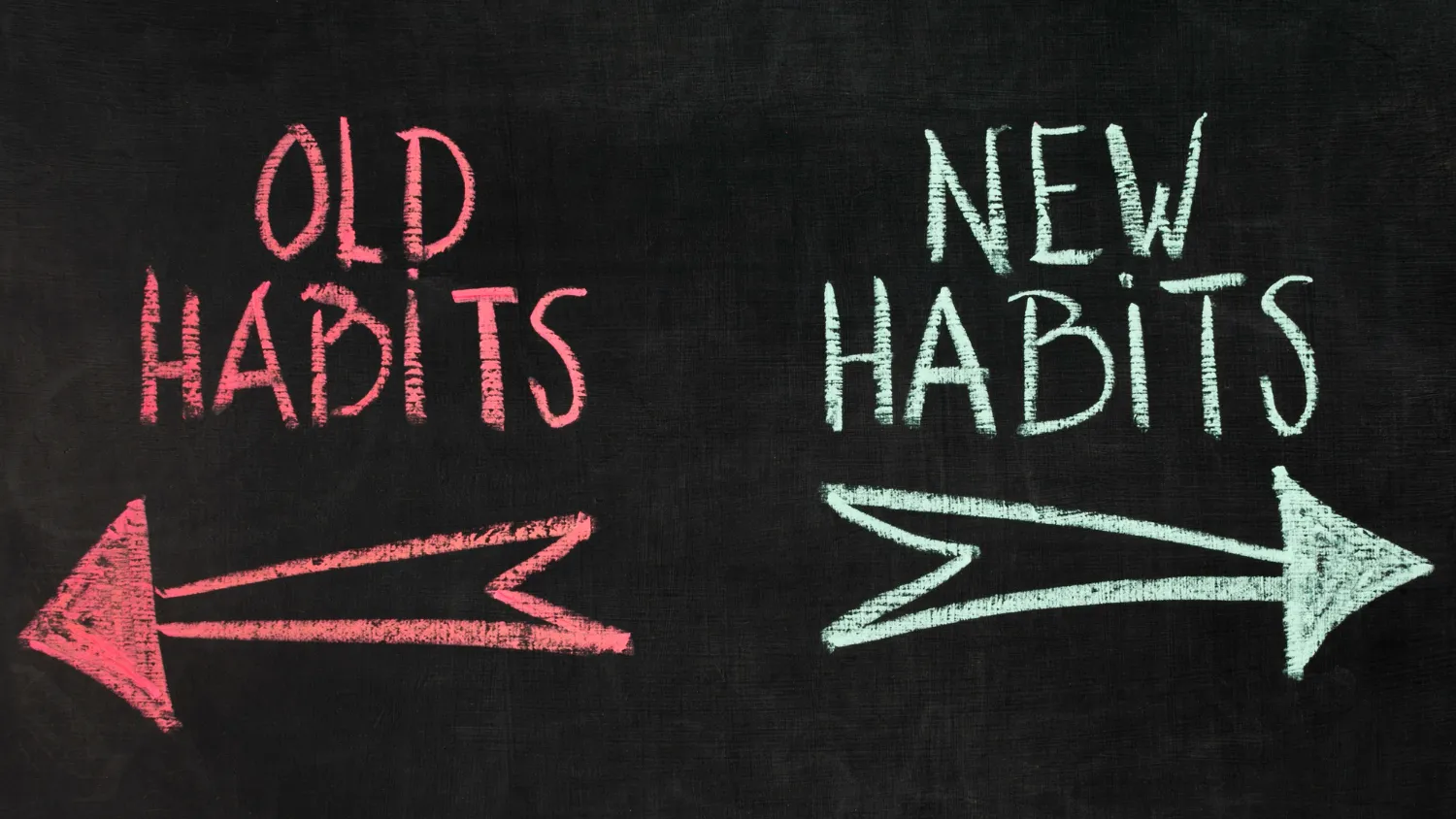
Does Therapy Help with Addiction?
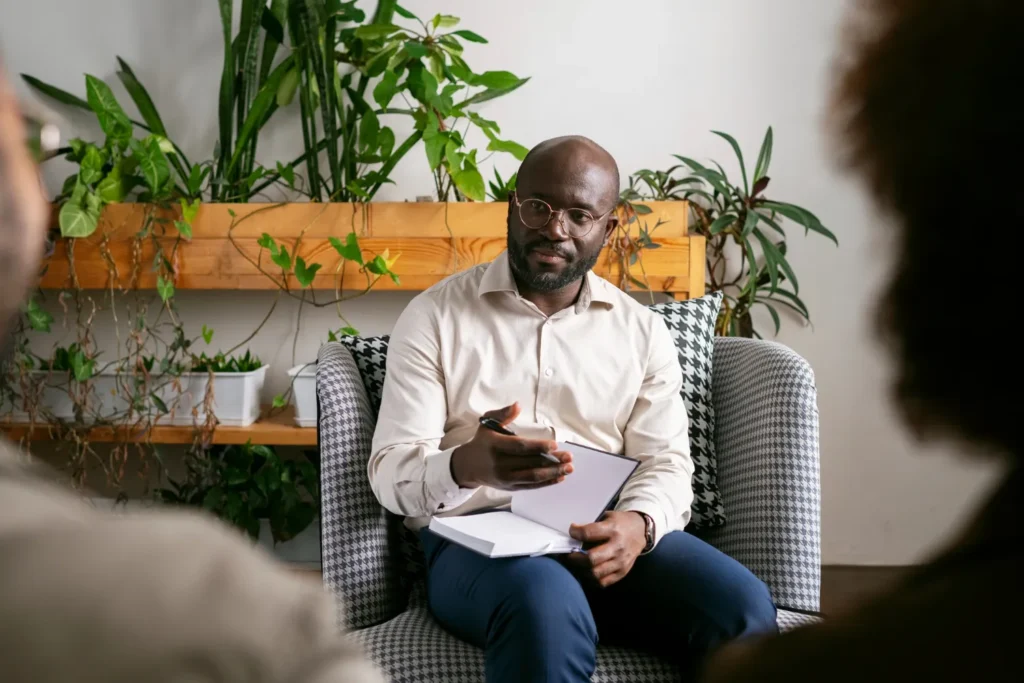
Understanding Addiction
Addiction is a serious problem affecting many people and families in our communities across East Africa. It’s often misunderstood as a simple lack of willpower, a moral failing, or a spiritual issue. However, doctors and experts now recognize that addiction is a chronic disease that changes the brain.
It’s not just about drugs or alcohol. People can also become addicted to behaviors like gambling or overeating. When someone is addicted, they compulsively seek and use a substance or engage in a behavior, even when they know it will cause them harm—to their health, their relationships, or their work.
Why is Therapy Recommended for Addiction Recovery?
When someone decides they want to stop using or engaging in their addictive behavior, it is a huge and brave step. However, stopping is often only the first part of the journey. This is where therapy, also known as counseling, becomes very important.
In countries like Tanzania and Kenya, therapy might not be a common practice, and many people might ask: “Why do I need to talk to a stranger? Can’t I just stop on my own?”
The answer is that addiction is often rooted in deeper issues, and stopping the substance use doesn’t automatically solve those issues. Therapy is recommended because it helps in several key ways:
1. Addressing the Root Causes
Addiction rarely happens in a vacuum. Many people who struggle with addiction have also experienced stress, trauma, grief, depression, or anxiety. They may have started using the substance or behavior as a way to cope with or escape from these difficult feelings.
Therapy provides a safe space to explore and understand why the addiction started. By addressing these root causes—the underlying pain or issues—a person can learn healthier ways to manage their feelings instead of turning back to the addiction.

2. Learning New Coping Skills
When someone removes the addictive behavior, there is a large gap left in their life, especially when faced with stress or challenges. Therapy teaches practical skills to handle life’s difficulties without relying on the substance. These skills can include:
- Stress Management: Learning ways to calm down when feeling overwhelmed (e.g., breathing exercises, simple physical activity).
- Trigger Identification: Recognizing the people, places, or feelings (the ‘triggers’) that make them want to use, and learning how to avoid or manage those situations.
- Communication Skills: Learning how to express feelings clearly and setting healthy boundaries with family and friends.
3. Preventing Relapse
The journey to recovery is not always a straight line. Sometimes, a person might ‘slip up’ or use the substance again (known as a relapse). Therapy provides the necessary tools and support to navigate these moments without giving up entirely. It helps the person understand what went wrong and build a stronger plan for the future.
How Does Therapy Actually Help?
There are different types of therapy used for addiction, but they all share the goal of changing harmful thinking patterns and behaviors.
Cognitive-Behavioral Therapy (CBT)
This is one of the most common and effective types of therapy for addiction. CBT helps people understand the connection between their thoughts, feelings, and actions.
- Example: A person thinks, “I had a bad day, I’m a failure” (Thought). This makes them feel sad and hopeless (Feeling). They then turn to their addiction to feel better (Action). CBT helps them challenge the negative thought (“Having a bad day doesn’t make me a failure”) and replace the harmful action with a positive one, like calling a supportive friend or going for a walk.
Group Therapy and Support Groups
In addition to meeting individually with a counselor, joining a group of people facing similar challenges is incredibly powerful.
- No Longer Alone: It helps the person realize they are not the only one struggling. Sharing stories and listening to others provides hope and reduces the feeling of shame.
- Mutual Support: Group members can offer practical advice and encouragement because they truly understand what the person is going through.
Recovery is Possible
Therapy is not a magical cure, but it is the strongest and most reliable path to long-term recovery. It helps the person not only stop the addiction but also build a healthier, more fulfilling life—a life where they are in control, not the substance.
If you or someone you know is struggling, reaching out to a local clinic, hospital, or mental health professional is the first step. Recovery is a journey worth taking, and therapy provides the map and the compass. Mwangaza wa Sunday can help you find a trained professional who can help you on your road to recovery.
Do you need help and you don’t know where to start? Let’s talk. Connect with Sunday to find the best path forward.