What Are the Most Common Addictions that Women Face?

When we think about addiction, we often have a very specific picture in our minds. But addiction doesn’t always look the way we expect, especially when you look at men and women separately.
In East Africa, women face unique pressures. They are expected to raise families and keep the household running through all circumstances, even if they’re working full-time. Women in all situations deal with heavy community expectations from their families, religious institutions, and all others in their communities. Sometimes, the intense weight of these responsibilities leads women to look for a way to cope. That’s when addiction can quietly step in.
Because of the way women’s lives are built and the expectations placed on them, women tend to lean toward addictive substances and behaviors that are easier to hide.
Let’s look at the most common addictions that affect women today.
Prescription and Pharmacy Medicines
One of the fastest-growing problems is the misuse of medicines. These are normal medicines that you can buy at a pharmacy or get from a doctor, but if abused you can develop an addiction. Because women are more likely to visit clinics for stress, anxiety, or physical pain, they’re also more likely to be given strong medicines.
Painkillers and Sleeping Pills
These are often used to numb physical pain or to help with sleepless nights caused by worry. Over time, the body starts to depend on these pills just to feel normal. People often increase their dose as they use them in order to feel the strong effects again.
Cough Syrups
Many cough syrups contain ingredients that make you feel relaxed or sleepy. It’s becoming very common for women to misuse these because they’re cheap, legal, and easy to carry in a handbag without anyone asking questions.

Prescription and pharmacy medicine addiction is often difficult to spot at first. It starts with a legitimate need for the medicine, then evolves gradually into dependence when that medicine is abused.
Secret or Hidden Alcohol Drinking
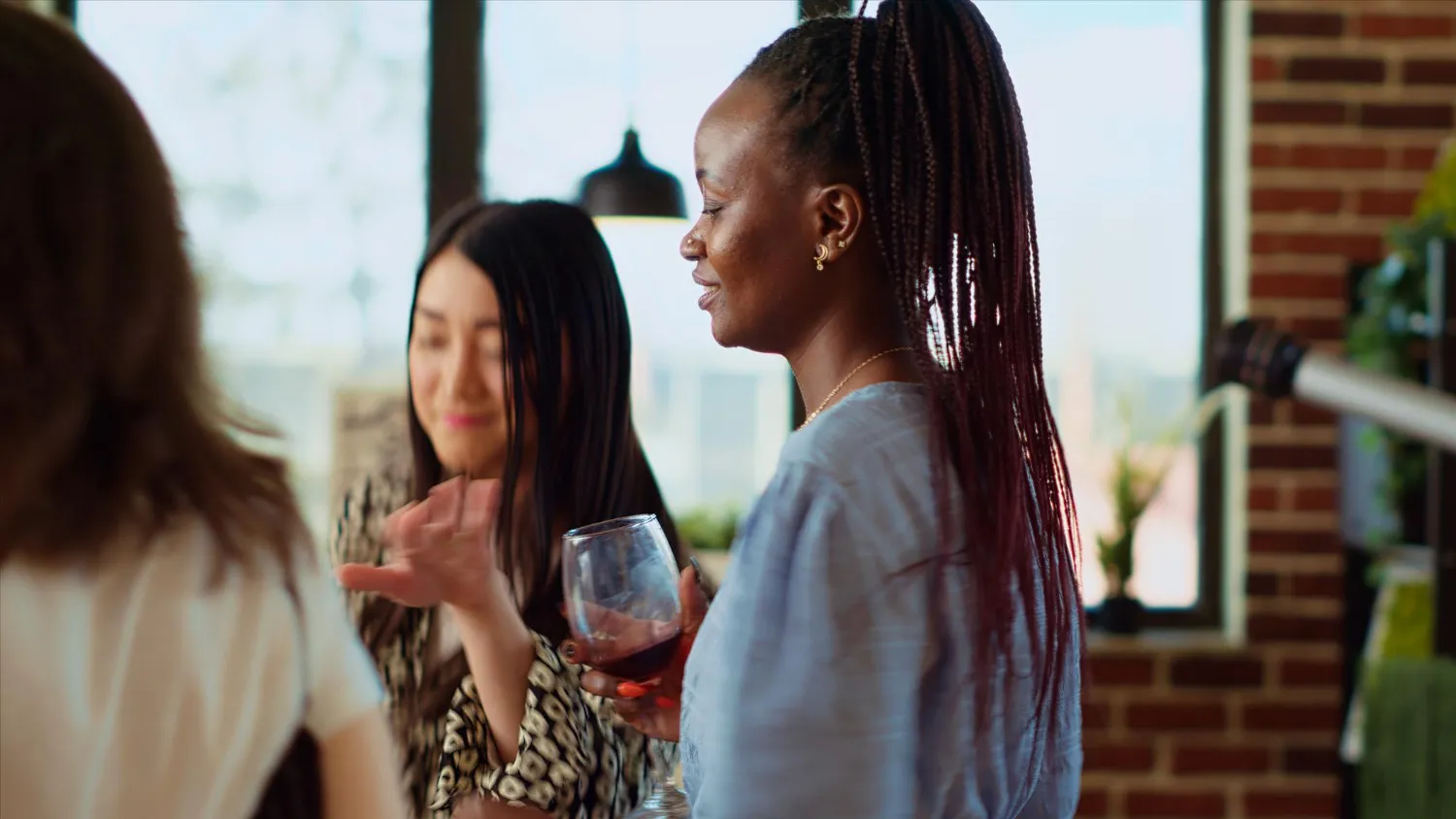
In many of our communities, it’s not considered socially acceptable for a woman to be seen drinking heavily in public. Because of this harsh judgment, women who struggle with alcohol often drink in secret.
- Drinking at Home: Many women will hide bottles around the house or mix alcohol into ordinary drinks like juice or tea so nobody notices.
- Homemade Brews: Cheap, locally made alcohol is very easy to find. Women who are struggling financially might turn to these strong homemade drinks to cope with daily hardships.
Because this addiction happens behind closed doors or in secluded places, it often goes unnoticed until the health impacts become very serious or the addiction becomes too strong to conceal.
Social Media and Phone Addiction
It might not sound as dangerous as drugs or alcohol, but phone addiction is destroying the mental health of many women. We’re constantly looking at images of other people’s “perfect” lives, homes, and bodies.
- The Escape: When life gets hard or lonely, it’s easy to spend hours scrolling on a phone to escape reality.
- The Harm: This leads to severe anxiety, depression, and a feeling of not being good enough. It pulls women away from their real-life relationships, creating a cycle of loneliness that keeps them glued to the screen.
This addiction is not unique to women, but it tends to harm women more broadly than men. Messaging aimed at women online is often very harmful to vulnerable women. It also creates a cycle of dependence that’s difficult to break.
Compulsive Shopping and Spending
Shopping addiction is an issue where buying things is used as a way to feel brief moments of happiness or control.
- Emotional Spending: Women who feel stressed, exhausted, or depressed might buy clothes, home goods, or beauty products they don’t need. They get a quick thrill from the purchase, even if it harms them financially.
- Financial Trouble: Shopping addiction quickly leads to secret debts. The stress of owing money then makes the emotional pain worse, which triggers the urge to shop again.
Shopping addiction can be compared to gambling addiction. Both types of addiction lead to extreme financial stress because of irrational spending. The biggest difference is that shopping addiction is often not viewed as negatively as gambling, and is therefore not taken as seriously.
Don’t be mistaken. Emotional spending is a serious issue that can escalate quickly and ruin lives.
Why Do Women Hide Their Addictions?
Women face a lot of shame from society when they struggle with addiction. There are 3 main reasons many women face hidden addictions:
- Fear of Losing the Family: Many mothers are terrified that if they admit they need help, they’ll be seen as unfit and their children might be taken away or their marriages might end.
- The Strong Woman Pressure: Society expects women to be the caretakers, consistently strong in the face of impossible situations. Women aren’t allowed to break down or have regular moments of weakness.
- Heavy Stigma: A woman with an addiction is often unfairly labeled as a bad person rather than someone who is sick and needs medical and emotional support. This is not a unique problem for women, but it tends to be less acceptable to society when women are abusing substances or certain behaviours.
The danger with hidden addiction is that women face another obstacle to getting treatment. In order to take steps to get help, they first have to relieve that they’re struggling. This creates a situation where women feel intense pressure to continue struggling secretly, rather than revealing their problems to the world.
The good news is there’s still hope. There’s always a way out, even from hidden addictions.
Finding a Way Out
If you or a woman you know is struggling, the most important thing to remember is that addiction is a health issue, not a moral failure. It’s a sign that someone is carrying a burden that’s simply too heavy to hold alone.
The first step to healing is breaking the silence. Talking to a trusted doctor, a counselor, a supportive friend, or a community leader can be the brave choice that starts the journey to recovery.
You don’t have to carry the weight alone.