What Is a Gambling Addiction? Understanding Problem Gambling in East Africa

Gambling is the act of wagering money or something of value on an event with an uncertain outcome, with the primary intent of winning additional money or material goods. For many, it’s a harmless form of entertainment like a friendly card game or a small stake on a football match. However, for a growing number of people across East Africa, regular gambling crosses a line from casual recreation into a serious, debilitating condition known as Gambling Disorder or Gambling Addiction.
In Tanzania and Kenya, the proliferation of easily accessible betting platforms, especially sports betting platforms, has brought this issue sharply into focus. What exactly is a gambling addiction, and why is it a significant public health concern? How do you know if you or your loved one is suffering from a gambling addiction?
Defining Gambling Addiction
Gambling addiction is a recognized mental health disorder. In medical terms, it’s classified in the Diagnostic and Statistical Manual of Mental Disorders (DSM-5) as a Non-Substance-Related Disorder. Put simply, it’s like any other addiction but without the physical substances. We often call this addiction “compulsive gambling” or “pathological gambling”.
Unlike substance addictions (like alcoholism or drug abuse), a gambling addiction is a behavioral addiction. This means the addiction is centered around a compulsive, uncontrollable urge to perform a specific behavior despite the harmful negative consequences it creates for the individual and their family.
The Key Characteristic: Loss of Control
What sets gambling addiction apart from just frequent gambling? Are you an addict just because you like to bet on a few games every week? Not necessarily.
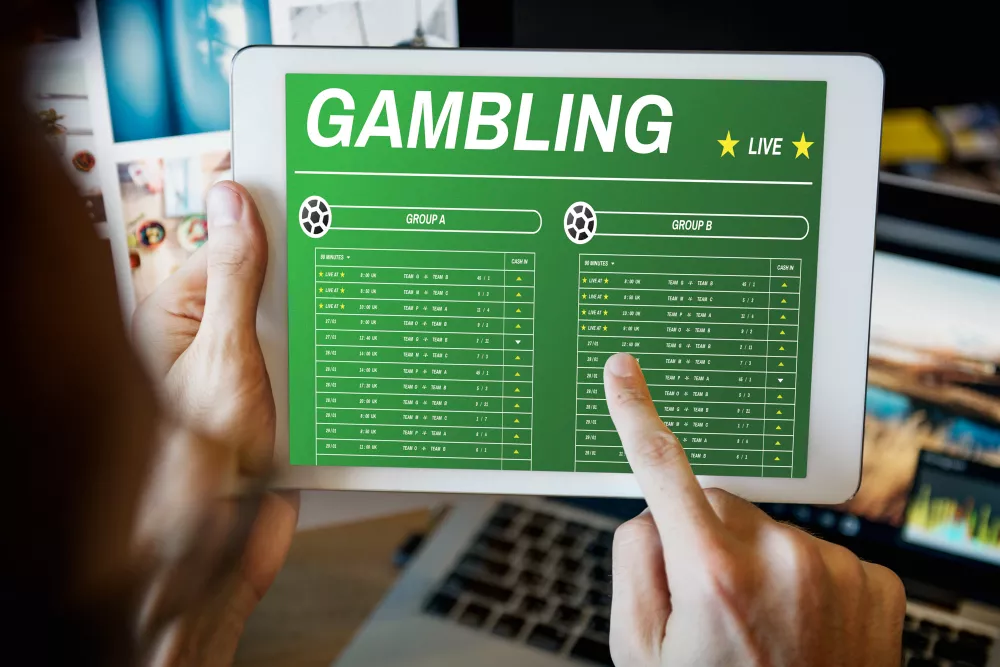
Gambling becomes an addiction when you can’t stop doing it, even when it’s harmful or distressing. There’s a feeling of needing to continue gambling despite the difficulty it causes. Especially after a losing streak, gambling addicts will often bet more and chase their losses in order to feel the high of winning again.
This loss of control is easy to see with sports betting. A young man in Dar es Salaam or Nairobi might start by placing small bets on the English Premier League or local KPL and TPL matches. When he wins, he is reinforced by the immediate financial reward. When he loses, the impulse is to immediately bet again to recover the loss, a phenomenon known as “chasing losses.” This cycle rapidly spirals out of control, shifting from a calculated risk to an uncontrollable compulsion.
The Signs and Symptoms of Gambling Addiction
There’s a noticeable difference between casual gambling and gambling addiction. Mental health professionals use specific criteria for diagnosing a Gambling Disorder, which are outlined below. If an individual exhibits four or more of the following symptoms within a 12-month period, it could be a sign of gambling addiction.
Recognizing these signs is the first crucial step toward seeking help.
1. Preoccupation and Obsession
The individual is often preoccupied with gambling. They constantly think about past gambling experiences, plan future bets, or think about ways to get money to gamble. This can look like constantly checking mobile betting apps, placing bets throughout the day, analyzing odds, or spending excessive time discussing bets with friends, often to the detriment of work, studies, or family time.
2. The Need to “Bet Big” (Tolerance)
Similar to tolerance in substance abuse, a person with a gambling addiction often needs to gamble with increasing amounts of money to achieve the desired excitement or thrill. The initial small bet no longer suffices; they must increase the stake to feel the same rush. This is a primary driver of financial ruin.
3. Withdrawal Symptoms (Restlessness or Irritability)
When attempting to cut down or stop gambling, the individual may feel restless, irritable, anxious, or moody. This discomfort highlights the dependence the person has developed on the behavior.

4. Repeated Unsuccessful Attempts to Stop
The person has made repeated, unsuccessful efforts to control, cut back, or stop gambling. They genuinely intend to stop, perhaps after a major loss, but the compulsion overrides their decision, and they relapse back into regular gambling.
5. Gambling as an Escape
Gambling is often used as a way to escape from problems or to relieve feelings of distress, such as helplessness, guilt, anxiety, or depression. In the stressful, economically challenging urban environments like Dar es Salaam, Nairobi, or Mombasa, gambling can become a dysfunctional coping mechanism to distract from daily struggles.
6. Chasing Losses
This is perhaps the most dangerous and common behavior in problem gamblers. After losing money, they often return another day to “get even” by gambling more. They firmly believe the next bet will retrieve all the losses, trapping them in a vicious, escalating cycle of debt.
7. Lying and Deception
The individual often lies to family members, therapists, or others to conceal the extent of their gambling. They may hide debts, lie about where their salary or business income went, or invent elaborate stories to cover up their betting.
8. Jeopardizing or Losing Relationships and Opportunities
Addictive gambling can jeopardize or cause the loss of a significant relationship, job, or educational or career opportunity. Wives may leave husbands; students may drop out due to debt; employees may be fired for stealing or neglecting duties because of gambling.
9. Reliance on Others for Money
The individual relies on others to provide money to relieve a desperate financial situation caused by gambling. This often involves asking family members for “loans” or “bailouts,” often without revealing the true cause of the debt.
10. Committing Illegal Acts
In severe cases, the person may commit illegal acts such as forgery, fraud, theft, or embezzlement to finance their gambling. The desperation and the need to pay off debts can drive individuals to actions they would never consider otherwise.

The Impact on East African Communities
In East Africa, the consequences of gambling addiction are often amplified due to socio-economic factors.
Financial Ruin and Debt
The most immediate and visible consequence is devastating financial loss. With the prevalence of mobile money services, placing bets is instant and requires no physical cash. You can even take out instant loans through many mobile carriers or apps. This ease of access removes natural barriers to spending, leading to rapid accumulation of debt.
- Example: A young professional might deplete his entire monthly salary in a weekend of betting, leaving him unable to pay rent, school fees, or provide food for his family. He then turns to predatory mobile loan applications with high interest rates, trapping him in a debt cycle fueled by the hope of one winning bet.
Family Breakdown and Social Stress
Gambling addiction places immense stress on the family unit. The lying, financial instability, and emotional distance lead to marital conflict, divorce, and child neglect. Betrayal caused by hidden gambling debts is deeply damaging. Children often suffer the most, with their education or nutritional needs compromised.
Mental Health Comorbidity
Gambling addiction rarely exists in isolation. It often co-occurs with other mental health issues, most notably depression, anxiety, and sometimes substance use (like alcohol or tobacco). The stress of debt and the shame of addiction can lead to suicidal ideation. Studies in the region have noted a link between increased access to betting and higher levels of psychological distress among users.
Decreased Productivity and Increased Crime
At a societal level, problem gambling leads to reduced productivity in the workplace and educational settings. Individuals preoccupied with betting or recovering from losses are less focused and reliable. The increased pressure to acquire money quickly can also lead to a rise in petty crime, fraud, and theft, impacting community safety.
Why is Sports Betting Dominant in East Africa?
The rapid rise of gambling addiction in Tanzania and Kenya is intrinsically linked to the explosion of sports betting, particularly football betting. Several factors contribute to this:
| Factor | Explanation |
|---|---|
| Mobile Technology Penetration | High mobile phone and internet access makes betting available 24/7. Apps are user-friendly and integrate seamlessly with mobile money platforms. |
| Marketing and Sponsorship | Aggressive, pervasive advertising by betting companies features prominently in local media, sports programs, and even the sponsorship of major local football leagues (e.g., the Kenyan Premier League or Tanzanian Premier League). This normalizes and glamorizes betting. |
| Economic Vulnerability | High unemployment rates and underemployment among youth in urban centres create a fertile ground for the belief that betting is a fast, easy route to wealth. |
| Social Influence | Betting is highly social. Friend groups often share tips, results, and place collective bets, creating peer pressure and making it harder for individuals to quit without social isolation. |
| The Illusion of Control | Unlike pure chance games like lotteries, sports betting involves knowledge of teams and leagues, leading users to believe their skill or research can predict outcomes. This illusion makes them feel more in control than they actually are, encouraging repeated betting. |
Pathophysiology: The Brain and Addiction
Gambling addiction is not a moral failing. It is a neurological disorder involving the brain’s reward system.
The Dopamine Rush
When a person engages in gambling, especially when they win or get close to winning, the brain releases dopamine, a powerful neurotransmitter associated with pleasure and reward. This is the same chemical reaction triggered by addictive substances. This feeling of high reinforces the behavior, making the person want to repeat the action.
Habit Formation
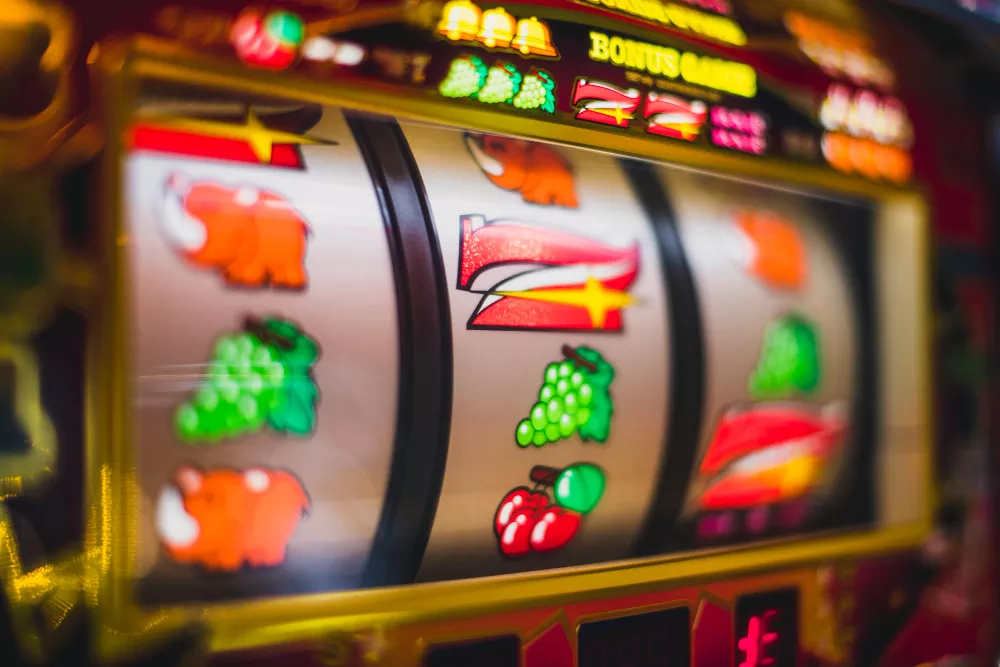
Over time, the brain learns to associate the sights, sounds, and rituals of betting (checking the odds, placing the bet, waiting for the result) with the dopamine release. The betting behavior becomes automated. It’s now a habit that’s hardwired into the brain’s pathways. The individual begins to gamble not just for the win, but to satisfy the craving for the dopamine rush.
Impaired Executive Function
In people with gambling addiction, studies show changes in the brain areas responsible for executive functions, such as judgment, decision-making, and impulse control (the prefrontal cortex). This impairment makes it incredibly difficult for the person to stop, even when faced with overwhelming negative consequences. They know they should stop, but their ability to regulate the impulse is severely compromised.
Seeking Help and Treatment
Recovery from gambling addiction is entirely possible, but it requires professional help and commitment. In the East African context, help can be sought through several pathways:
| Treatment Pathway | Description |
|---|---|
| Cognitive Behavioral Therapy (CBT) | The most effective treatment. CBT helps the person identify the cognitive distortions (like the belief they can chase losses) and emotional triggers (like stress or boredom) that lead to gambling, and replace them with healthier coping mechanisms. |
| Pharmacological Treatment | Medications, such as certain antidepressants (SSRIs) or opioid antagonists, may be used to address co-occurring conditions like depression or to reduce the urges and cravings associated with the addiction. |
| Support Groups | These groups offer peer support, accountability, and a structured recovery program (like the 12-Steps). Finding local community groups in major cities can provide crucial social support, which is often culturally resonant. |
| Financial Counselling | Essential for recovery. Specialized counselors help manage the debts created by gambling, implement strict financial barriers (like giving control of finances to a trusted partner), and prevent relapse caused by financial stress. |
| Family Therapy | Since gambling addiction is a family disease, therapy involving partners and family members is vital for rebuilding trust, addressing the damage caused, and establishing healthy communication boundaries. |
Gambling addiction is a serious, complex illness that is profoundly impacting families and communities across East Africa. Recognizing the signs, understanding its neurological basis, and de-stigmatizing the search for help are essential steps in addressing this growing public health crisis fueled largely by the accessibility and aggressive promotion of sports betting.
Need Help with Gambling Addiction?
Get in touch to get plugged into the resources you need to start tackling gambling addiction today. Mwangaza wa Sunday supports individuals going through addiction, people dealing with addiction in loved ones, and others suffering from mental health issues connected to gambling.