11 Healthy Ways to Deal with Anxiety Attacks
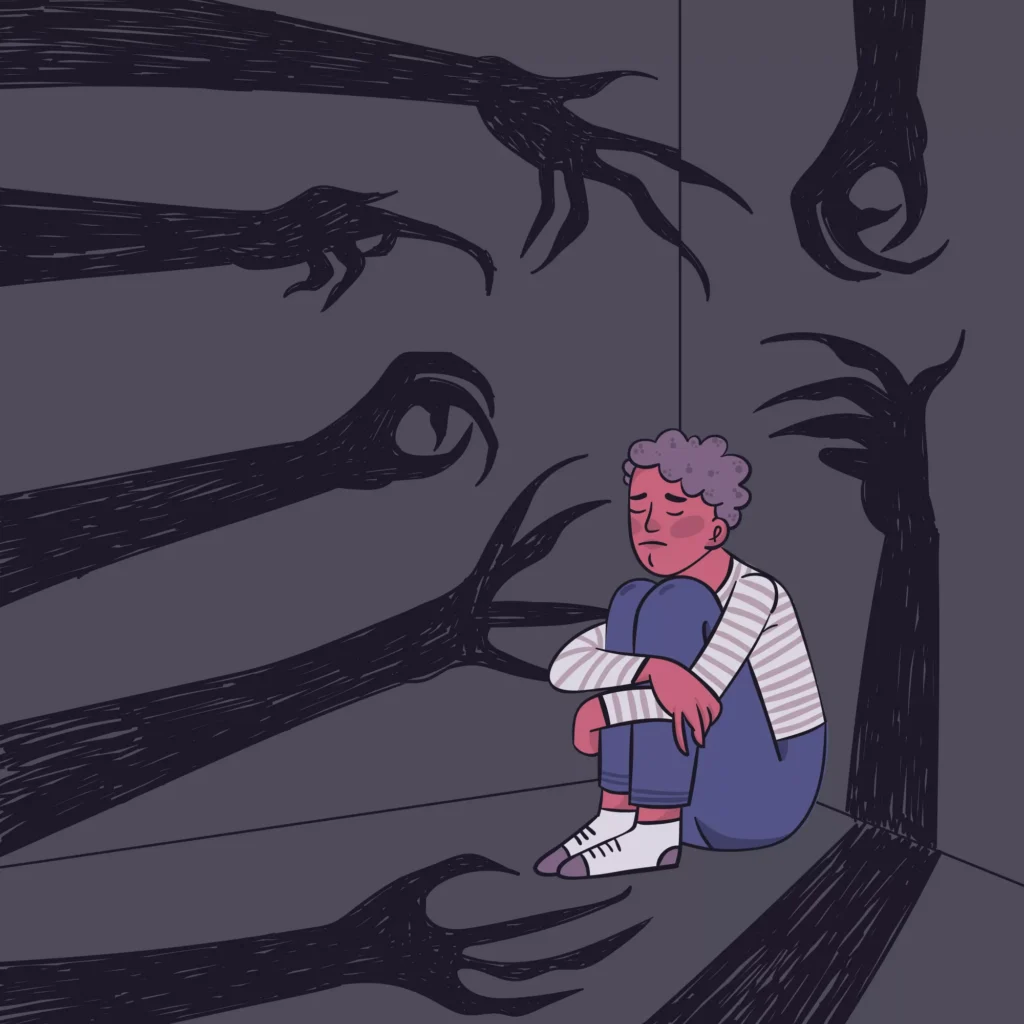
Have you ever felt your heart suddenly start racing, your hands begin to shake, or a feeling of terror wash over you for no clear reason? You might feel like you cannot breathe or that something terrible is about to happen.
This is often called an anxiety attack or a panic attack. In many of our communities, people might think this is a physical heart problem or even something spiritual. However, anxiety is a very common medical condition that affects the way your body reacts to stress.
If you or someone you love experiences these feelings, here are 11 healthy ways to manage them.
1. Recognize What is Happening
The first step is to tell yourself: “I am having an anxiety attack. It is uncomfortable, but I am not in danger, and it will pass soon.” Knowing that it is your mind playing tricks on your body can help lower the fear.
2. The Slow Breath Technique
When we’re anxious, we breathe too fast. This makes the dizziness and fear worse. Try this:
- Breathe in slowly through your nose for 4 seconds.
- Hold it for 2 seconds.
- Breathe out slowly through your mouth as if you are blowing through a straw for 6 seconds.
Breath is a powerful tool in your mental health. Controlled breathing has a huge impact on your mental state, especially if you’re experiencing intense physical symptoms.
3. Use the 5-4-3-2-1 Method
This is a grounding exercise to bring your mind back to the present moment. Look around you and identify:
- 5 things you can see (e.g., a chair, a tree, a cup).
- 4 things you can touch (e.g., your shirt, your skin, the table).
- 3 things you can hear (e.g., birds, a car, a clock).
- 2 things you can smell.
- 1 thing you can taste.
Focusing on your physical senses helps to relieve an anxiety attack by giving your mind something else to focus on that’s real and tangible. Since anxiety attacks don’t usually have a defined or obvious cause, focusing on what’s immediately around you can reset your mental state and bring you back to reality.

4. Find a Focus Object
Pick one thing in your view and focus all your attention on it. Look for a pattern on a wall or a leaf on a nearby plant. Describe its colors, shapes, and textures to yourself in your head.
Switching your mental focus like this can help you calm down and relax the fight or flight instincts your mind has activated.
5. Relax Your Muscles
Start at your toes and squeeze them as hard as you can for five seconds, then let go. Move up to your legs, your stomach, and your shoulders. This helps release the physical tension built up in your body.
6. Splash Cold Water on Your Face
Cold water can “shock” your nervous system into slowing down. If you feel an attack coming on, go to a tap and splash your face with cold water for a minute.
7. Avoid Caffeine and Sugar
When you feel anxious, drinks like coffee, energy drinks, or sugary sodas can make your heart race even faster. Stick to plain water or herbal tea to help your body stay calm.

8. Move Your Body Gently
If you are able, take a short walk outside. Moving your muscles helps burn off the stress energy that causes the shaking and racing heart. Even stretching your arms over your head can help.
9. Repeat a Calming Statement
Choose a simple sentence that makes you feel safe. Repeat it over and over in your mind: “I am safe right now,” or “This feeling will be over in a few minutes.”
10. Talk to a Trusted Person
Do not suffer in silence. Find a friend, a family member, or a community leader you trust and tell them, “I am feeling very overwhelmed right now. Can you just sit with me for a moment?” You don’t have to explain everything. Just having someone there helps.
11. Seek Professional Help
If these attacks happen often, it’s important to speak to a doctor or a counselor. In both Tanzania and Kenya, there are professionals who are trained in mental health. They can offer talk therapy or medicine therapy that can help stop the attacks from happening.
Final Thought: An anxiety attack is like a storm in your mind. It might be loud and scary, but the sun always comes out afterward. Learning tools like these is the first step toward taking control of your health.
If you need immediate help, please visit your nearest health centre or hospital.
If you’re like to take the first step toward conquering your anxiety, reach out. We can help you connect with the right people to evaluate your anxiety and work toward treating it.