What is Depression? Understanding the Invisible Illness
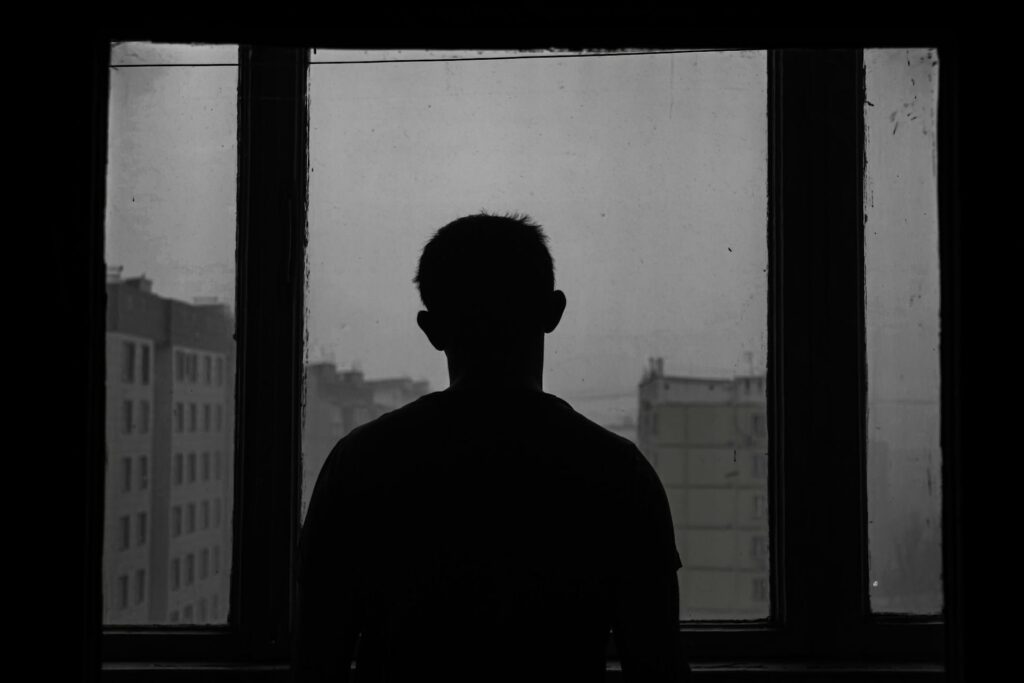
In our communities, we’re very good at recognizing when someone is physically sick. If a neighbor has a high fever, a terrible cough, or a broken bone, we immediately know they are unwell. We understand physical pain because we can see its effects.
However, mental illnesses are just as real and just as painful, but are entirely invisible. One of the most common mental illnesses we face is depression.
Because people can’t see depression, they might think the person suffering from it is just being lazy, ungrateful, or weak in their faith. This is not true. Depression is a real medical condition, just like diabetes, asthma, or high blood pressure.
Let’s explore what depression truly is, what causes it, how to recognize its signs, and most importantly, how it can be treated.
What is Depression?
To understand what depression is, we must first understand what it is not. Depression is not the same thing as being sad.
Every human being experiences sadness. Life is full of difficult moments. When these things happen, it’s perfectly normal to feel sad, to cry, and to feel heavy in your heart. Normal sadness comes and goes. It might last for a few days, but eventually, you are able to smile again, go back to work, and enjoy spending time with your friends and family.
Think of sadness like a heavy rainstorm. It might be dark and wet for a while, but eventually, the rain stops, the clouds clear, and the sun comes out again.
Depression, on the other hand, is not a passing rainstorm. It is like a long, dark, and cold season that does not seem to end. Depression is a heavy, crushing feeling of sadness, emptiness, or hopelessness that lasts for a very long time. It’s usually for at least two weeks, but often for months or even years if it’s not treated appropriately.
When a person has depression, the sadness does not go away when their situation improves. They might be surrounded by a loving family, have a good job, and be in good physical health, yet they still feel a deep darkness inside. Depression steals a person’s ability to feel joy.

Recognizing the Signs and Symptoms of Depression
How do you know if you or someone you love is experiencing depression rather than just normal sadness?
Depression affects the whole person. Emotions, body, behaviors. Here are the most common signs to look out for:
Emotional Symptoms (How a person feels)
- Deep Sadness and Emptiness: A constant feeling of sorrow that does not go away. The person might feel like they are carrying a heavy weight on their chest all the time.
- Loss of Interest: Things that used to bring the person joy no longer make them happy. For example, a man who loved playing football with his friends might completely stop playing. A mother who loved singing in a choir might lose all interest in music.
- Feelings of Worthlessness: The person might feel like they are a burden to their family. They might constantly blame themselves for things that are not their fault and feel like they are useless.
- Hopelessness: A strong belief that things will never get better, no matter what they do. They are unable to envision a brighter future.
- Irritability and Anger: Sometimes, especially in men and young people, depression looks like anger instead of sadness. The person might become easily annoyed, frustrated, or aggressive over very small things.
Physical Symptoms (How the body feels)
This is a very important point, as many people in our communities go to the clinic complaining of physical problems, not realizing that the root cause is depression.
Physical symptoms of depression can include:
- Unexplained Aches and Pains: Constant headaches, stomach pains, or backaches that don’t go away even after taking painkillers or being treated for physical illnesses.
- Extreme Tiredness or Fatigue: Feeling completely exhausted all the time. Even after sleeping for many hours, the person wakes up feeling like they have no energy to get out of bed, wash their clothes, or cook a meal.
- Changes in Sleep: The person might struggle to fall asleep, wake up very early in the morning and not be able to go back to sleep, or they might sleep too much during the day.
- Changes in Appetite: The person might lose their appetite completely and lose weight without trying. Or, they might start eating far more than usual to comfort themselves, leading to weight gain.

Behavioral Symptoms (How a person acts)
- Withdrawing from the Community: The person stops visiting friends, stops attending community gatherings or religious services, and prefers to stay alone in their room.
- Neglecting Responsibilities: They might stop going to work, stop tending to their farm or business, or stop washing themselves and keeping their home clean.
- Difficulty Concentrating: Trouble focusing on tasks, forgetting things easily, and finding it very hard to make even simple decisions.
- Thoughts of Death or Self-Harm: In severe cases, the person might feel that life is too painful to continue. They might think about ending their own life. This is a medical emergency and requires immediate help.
What Causes Depression?
A very common misunderstanding is that depression is caused by a weakness in character or a lack of faith. People sometimes say, “If you just prayed more, you wouldn’t feel this way,” or “You are just being lazy. You need to work harder.”
These statements are harmful and untrue. Depression is a complex medical condition. It’s usually caused by a combination of different factors, including:
Biological Factors
The human brain is a physical organ. Just as your stomach needs the right chemicals to digest food, your brain needs the right chemicals to manage your moods.
In a person with depression, the chemicals in the brain that control happiness and well-being are sometimes unbalanced. This is a physical problem inside the body, not a choice the person is making.
Depression can also run in families. If your parents or grandparents had depression, you might be more likely to experience it as well.
Difficult Life Events and Stress
Severe stress can trigger depression. This includes major one-time events and difficult ongoing situations, such as:
- The death of a loved one
- Losing a job, a business, or struggling with extreme poverty and debt
- Going through a divorce or the breakdown of a family
- Living in a difficult, abusive, or violent situation
When the mind is under extreme stress, it can become exhausted, leading to depression.
Trauma
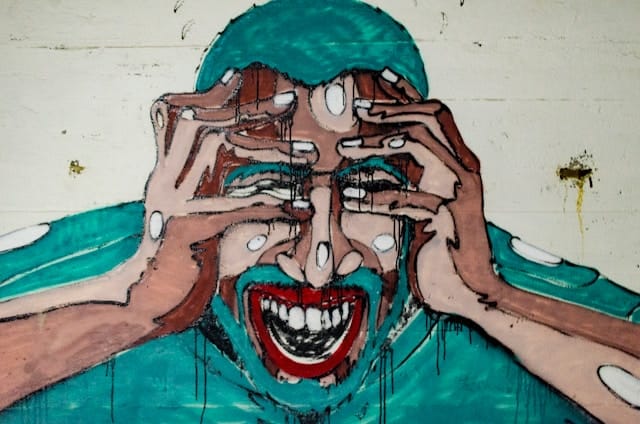
Trauma from the past can leave deep scars on the mind. People who experienced abuse, neglect, or violence when they were children are at a higher risk of developing depression later in life.
Surviving a terrible accident, a natural disaster, or conflict can also lead to depression. Any type of trauma can be a trigger for depression, even if you don’t think it affected you strongly.
Physical Illness
Sometimes, long-term physical illnesses like cancer, HIV, or heart problems can lead to depression. The stress of being sick and dealing with pain every day can wear down a person’s mental health. Additionally, some medications used to treat physical illnesses can have side effects that impact a person’s mood.
Understanding Different Types of Depression
Not all depression looks the same. There are different forms of this illness, depending on the person’s situation.
Here’s a quick look at the 3 most common types of depression:
Major Depression
This is the most common type. The symptoms are severe and interfere heavily with the person’s ability to work, sleep, study, and eat. It can happen once in a person’s life, or it can come back several times.
Persistent Depression
This is a type of depression that lasts for a very long time, such as two years or more. The symptoms might not be as severe as Major Depression, but the person feels a constant, low-level sadness that makes it hard to enjoy life. They might function and go to work, but they feel empty inside.
Postpartum Depression
This is a type of depression that affects women after they give birth. In our culture, the birth of a child is celebrated as a time of great joy. However, the physical changes in a woman’s body after birth, combined with the extreme exhaustion of caring for a newborn, can cause a serious type of depression in many women.
A mother with postpartum depression might feel extreme sadness, have trouble bonding with her baby, or feel overwhelming fear that she’s a bad mother. It’s crucial that communities understand this is a medical condition and not a sign that the woman doesn’t love her child.
Overcoming the Stigma and Myths about Depression in East Africa
Stigma is when society looks down on a person or judges them unfairly because of an illness or a condition they have. Unfortunately, there’s a lot of stigma surrounding mental health. Much of this stigma is caused by false beliefs about the disease.
This stigma stops people from getting the help they need. If a person feels ashamed of their depression, they will hide it. They’ll suffer in silence because they’re afraid of what their neighbors, friends, or family will say.
Let’s look at some common myths about depression and correct them:
Myth: Depression is a sign of weakness.
Fact: Depression has nothing to do with how strong or weak someone is. Anyone can get depression. Even the strongest leaders, the hardest workers, and the most respected members of the community can suffer from depression in their lifetime.

Myth: Depression is a punishment or a spiritual attack.
Fact: While faith and spirituality are vital parts of life and can offer great comfort, depression is an illness of the mind and body. Just as malaria is caused by a mosquito and not a curse, depression has medical and environmental causes. Telling someone they’re depressed because they lack faith is cruel and untrue.
Myth: You can just snap out of it if you try hard enough.
Fact: You can’t simply decide to stop being depressed, just as you can’t decide to stop having a broken leg. Recovery requires time, support, and proper treatment.
How is Depression Treated?
The most important message of this entire article is this: Depression is treatable.
No matter how dark things seem, there is hope, and people do recover.
Treating depression is not instantaneous. It usually requires a combination of different approaches. Here’s an overview of some of the most common treatments for depression.
1. Talk Therapy (Counseling)
One of the most effective treatments for depression is talking to a trained professional, such as a counselor, a psychologist, or a specially trained healthcare worker. This is called therapy.
In therapy, the person is given a safe, private space to talk about their feelings, their past traumas, and their current stresses. The counselor does not judge them or tell them what to do. Instead, the counselor helps the person understand their thoughts and teaches them new ways to cope with stress, anger, and sadness. Therapy helps the person slowly untangle the heavy knots in their mind.
2. Medical Treatment
For moderate to severe depression, a doctor or a psychiatric nurse may prescribe medication. These medicines are called antidepressants.
Antidepressants work by helping to balance the chemicals in the brain that affect mood. It’s very important to understand that these medications will not make you happy and they are not addictive like illegal drugs. They simply help the brain return to its normal, healthy state. However, they often take several weeks to work and they must be taken exactly as the doctor advises.
3. Lifestyle Changes
The way we treat our bodies has a big impact on our minds. While lifestyle changes alone might not cure severe depression, they are a powerful tool for recovery.
- Movement: Physical activity, whether that’s walking, working in the garden, or playing a sport, releases natural chemicals in the brain that improve mood.
- Nutrition: Eating a balanced diet with vegetables, fruits, and proper nutrients helps the brain function better.
- Sleep: Setting a routine to try and get enough rest is vital for mental healing.

What to Do If You’re Experiencing Depression
If you’re reading this and recognizing these symptoms in yourself, please know that you’re not alone, you’re not broken, and it’s not your fault.
Here are some steps you can take starting today:
- Speak up: The hardest part is breaking the silence. You don’t have to suffer in secret. Find one person you trust and tell them how you’re feeling. This could be a close friend, an older family member, a religious leader, or a community health worker.
- Seek professional help: Visit your local health clinic or hospital. Tell the nurses or doctors about your sadness and your physical symptoms. Ask if there’s a counselor or mental health worker you can speak to.
- Take small steps: When you have depression, doing anything feels like climbing a mountain. Don’t try to do everything at once. Set very small goals. Your goal for today might just be to get out of bed and drink a glass of water. That’s enough of a start. Tomorrow, your goal might be to wash your face. Celebrate the small victories.
- Be kind to yourself: Stop criticizing yourself for being sick. If your friend had depression, you would treat them with kindness and patience. You must learn to treat yourself with that same kindness.
- Avoid alcohol and harmful substances: It’s tempting to drink alcohol or use other substances to numb the emotional pain, but alcohol actually makes depression much worse. You must face the feelings with a clear mind, even when it’s difficult.
How to Help a Loved One with Depression
If you notice the signs of depression in a family member, a friend, or a neighbor, your support can save their life. Be prepared to help appropriately when that time comes.
What to do:
- Listen without judging: Sit with them and let them talk. Don’t interrupt them to tell them your own problems. Just listen. Say things like “I’m sorry you’re hurting” or “I’m here for you.”
- Show them you care: Sometimes, a person with depression cannot manage daily chores. Bring them a cooked meal or a lunch at work, help them wash their clothes, or watch their children for a few hours so they can rest. Practical help shows love without requiring them to use energy they do not have.
- Encourage them to seek professional help: Ask if they have sought out any help from a doctor or a counselor. If they haven’t, you can gently suggest it as an option.
- Be patient: Recovery takes time. Don’t become angry with them if they don’t get better immediately. Keep checking on them.
What NOT to do:
- Don’t tell them to just be happy or smile more. This only makes them feel worse because they can’t control it.
- Don’t compare their pain to others. Saying, “Other people have it much worse than you, you should be grateful,” will only make them feel guilty and deeply ashamed.
- Don’t abandon them. People with depression often push others away because they feel unworthy of love. Don’t give up on them. Keep showing up.
Conclusion: A Message of Hope
Depression is a heavy burden. It steals joy, energy, and hope. Because it’s invisible, it’s been misunderstood in our communities for far too long.
The darkness of depression doesn’t have to be the end of the story. By educating ourselves, we can bring this illness out of the shadows. We can stop blaming people for being sick and start offering them the compassion, love, and medical support they need.
If you’re fighting this battle, please hold on. It won’t last forever. There’s help available, and healing is possible.
By speaking openly about mental health, supporting one another, and seeking proper medical care, we can overcome the silent struggle of depression and build stronger, healthier communities together.