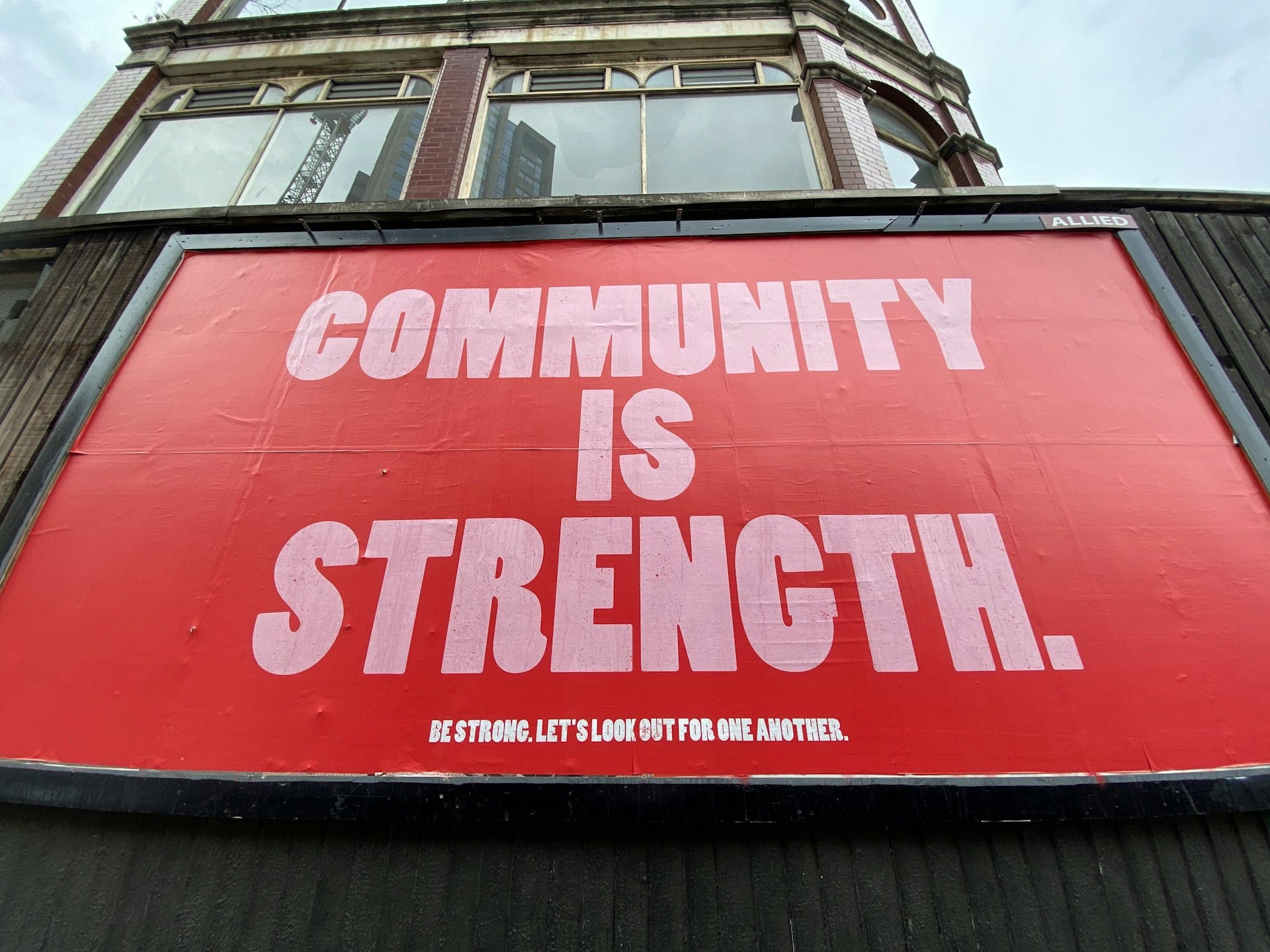
How to Avoid Self-Medicating When You’re Struggling

Life can often bring difficult challenges. Whether it’s physical pain, deep sadness, anxiety, or the stress of providing for a family, everyone faces hard times. When these feelings become too heavy, it’s natural to want the pain to stop quickly.
Some people try to treat themselves by using alcohol, tobacco, unprescribed drugs, or even behaviors like excessive gambling or risky sexual practices. This is called self-medicating. While these things might make you feel better for a few minutes, they often create much bigger problems later.
This article will help you understand why self-medicating is risky and how you can find healthier ways to cope.
What is Self-Medication?
Self-medication happens when a person uses a substance or a behavior to mask or hide a problem they’re feeling.
- Physical examples: Drinking alcohol to numb back pain or reduce anxiety in a social setting.
- Emotional examples: Using drugs to stop feeling lonely, or smoking to calm your nerves when feeling anxious.
The danger is that the original problem doesn’t go away. You don’t stop having back pain or social anxiety because of drinking. You won’t be less lonely or anxious because of substance use. Instead, the body starts to depend on these substances or behaviors to feel normal. This can lead to addiction, which damages your health, your finances, and your relationships with your family, friends, or community.
Why Do People Do It?
In many of our communities, it can be hard to talk about feelings like depression or anxiety. These are not subjects that are openly discussed in most East African cultures, even amongst close family. Some people may not have easy access to a doctor, or they may feel ashamed to ask for help. They might think that being strong means suffering in silence or fixing the problem themselves in whatever way they can.
However, true strength is recognizing when a habit is hurting you and choosing a different path.

4 Ways to Avoid Self-Medication
1. Identify the Root Problem
The next time you feel the urge to use a substance, stop and ask yourself: “What am I actually feeling right now?”
- Is it physical pain?
- Is it boredom?
- Is it fear about the future?
- Is it grief over a loss?
When you name the feeling, it loses some of its power over you. You realize that the substance is just a bandage and not a cure. Facing the actual problem will help you find a more permanent solution instead of covering it with substance abuse or risky behaviors.
2. Build a Support Circle
Isolation is one of the biggest drivers of addiction. When we struggle alone, our problems feel massive. What can you do about it?
- Talk to a trusted friend or elder: Choose someone who listens without judging.
- Join a community group: Whether it’s a religious group, a sports team, or a neighborhood association, being around others reminds you that you’re not alone.
- Speak to a healthcare worker: Even if there is no mental health specialist nearby, a general nurse or doctor can often provide advice on managing pain or stress safely.
3. Practice Healthy Stress Relief
When you feel overwhelmed, try these free and healthy ways to calm your mind:
- Physical Activity: Walking, running, or working in a garden releases natural chemicals in your brain that make you feel happier and less stressed.
- Deep Breathing: If you feel panic rising, sit quietly and take ten slow, deep breaths. This tells your nervous system it’s safe to relax.
- Routine: Try to sleep and eat at the same time every day. A steady routine gives your mind a sense of order when life feels chaotic.
- Prayer or Meditation: Take a moment to focus on praying or a short meditation. It can be helpful to have a pre-written prayer or meditation that you can read out instead of trying to come up with something on the spot when you’re struggling.
Find something you can do easily in a moment to take your mind away from thoughts about a substance or behavior. The goal is to keep your mind on a healthy track without resorting to dangerous, addictive behaviors.
4. Be Careful with Medications
Only take medicine that has been given to you by a qualified health professional for your specific problem.
- Never share medicine with friends or neighbors.
- Do not buy mood-altering pills from unlicensed street sellers.
- Always follow the exact dosage a doctor gives you.
Many different types of medications can become addictive with improper use, even if they were originally given to you as a prescription. Treat medication as a tool to help with a very specific problem. Do not use it outside of its intended purpose or dosage.

When to Seek Professional Help
If you find that you cannot get through the day without a specific substance or damaging behavior, or if you’re thinking about hurting yourself, please reach out for help immediately.
There is no shame in struggling. Seeking help is an act of courage that protects your future and the future of the people who love you. By choosing healthy ways to cope today, you are building a stronger, better life for tomorrow.