
How to Help Children Through Trauma: A Guide for Parents and Caregivers
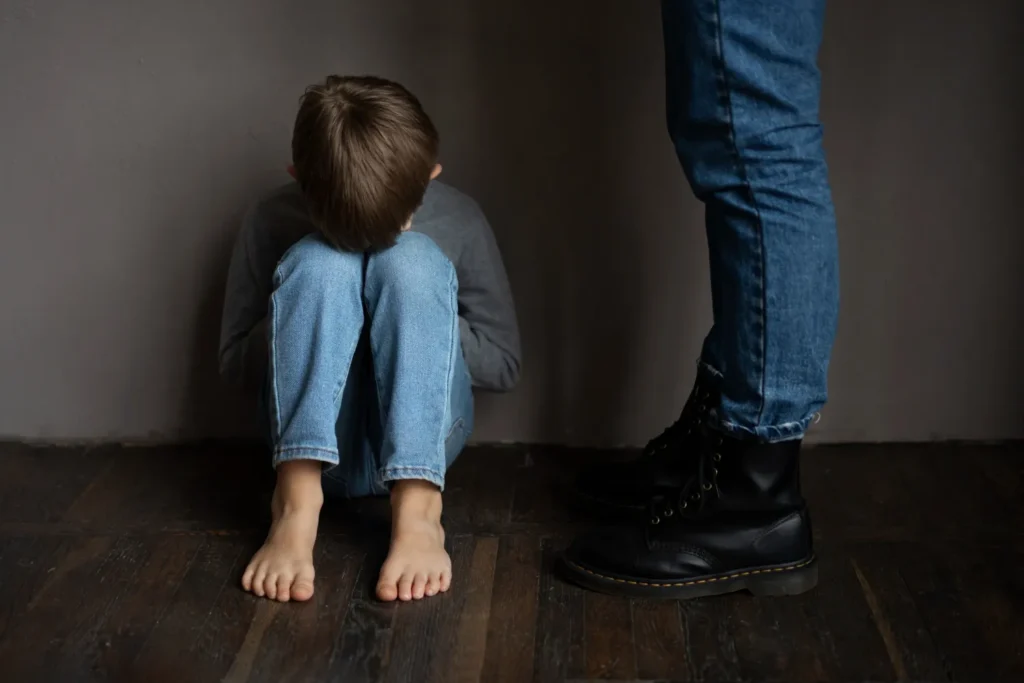
Trauma is a word used to describe the deep emotional pain someone feels after something very scary or bad happens. This could be the loss of a loved one, witnessing violence, surviving an accident, long-lasting and repetitive negative experiences, or living through a natural disaster.
Trauma does not discriminate. Anyone can experience it. Adults, children, men, women, and people of all ethnicities can experience trauma equally. It also varies in scale, with some trauma being more intense and some less intense. No matter the intensity, trauma of all types can cause ongoing issues if it’s not dealt with properly. For children, it’s often necessary for the responsible adults in their lives to help them process trauma.
In our communities, we often focus on physical healing, but the wounds in a child’s heart and mind also need care. If a child has gone through a difficult time, they may not have the words to tell you they are hurting. Instead, they show it through their behavior.
Here are practical, simple ways you can help your child feel safe and begin to heal.
1. Recognize the Signs of Trauma
Children don’t always cry when they’re sad or overwhelmed. Sometimes trauma shows up in different ways, including these:
- Acting younger than their age: A child who stopped wetting the bed might start again, or an older child might start sucking their thumb for comfort.
- Changes in sleep: Even if they used to sleep well, children may begin regularly having bad dreams or being afraid to sleep alone.
- Physical pain: Trauma may manifest in physical symptoms, such as complaining of stomach aches or headaches that do not go away with medicine. These can be associated with stress and anxiety.
- Fear and clinginess: Not wanting to let go of a parent or being easily startled by loud noises can be ways children try to deal with unprocessed trauma.
- Anger or silence: A child’s behavior may change dramatically, such as becoming very irritable and naughty, or becoming very quiet and withdrawing from friends.
These are not the only signs of trauma in children and may not always point to trauma. However, they are some of the most common that you can look out for and are good things to pay attention to, even if there is no trauma to deal with.
2. Make Them Feel Safe
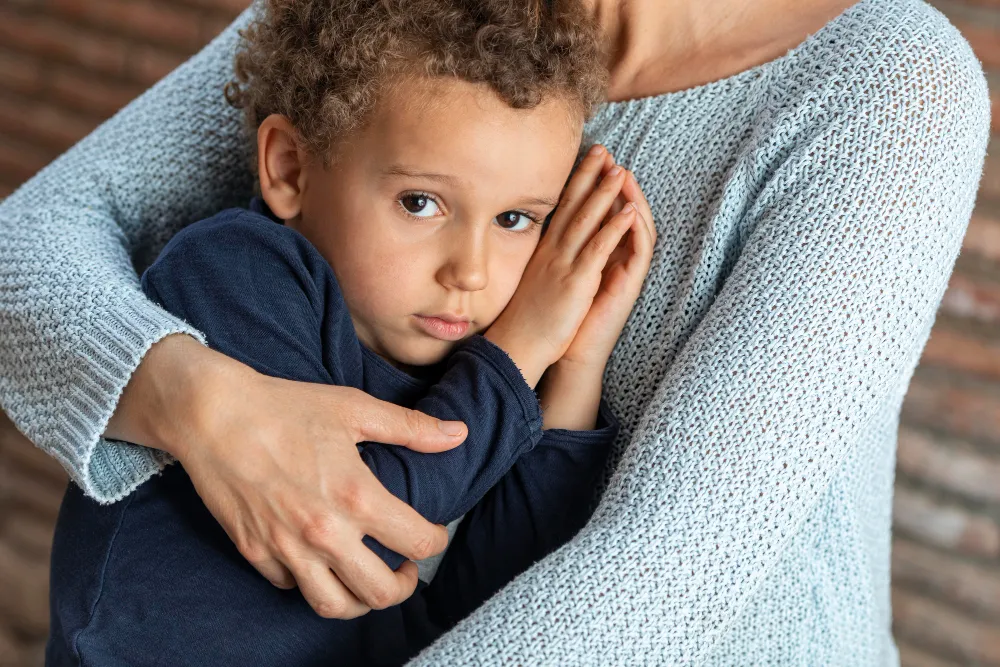
The most important thing a child needs after trauma is to know that the danger is over and they are protected. You can help them with this in a few ways.
- Physical Comfort: Give your child more hugs, hold their hand, or sit close to them. Physical touch tells their body they’re safe.
- Be Patient: If they start wetting the bed or acting out, do not punish them. They are not being bad. Their brain is under a lot of stress and these actions are how they deal with that stress.
- Stick to Routines: Try to keep mealtimes, bedtimes, and school schedules the same. When a child knows what’s happening next, the world feels less scary.
Safety is important for everyone, but especially for children who have very little control over their day-to-day lives. Because adults are responsible for a child’s daily activities, they’re also responsible for helping that child feel secure in what they’re doing.
3. Listen Without Pressure
You don’t need to be a doctor to help your child talk. In fact, they may be more comfortable talking with you than they would be with a doctor.
It’s important to listen well. If you want your child to continue feeling safe and confident sharing difficult things with you, you must be willing to listen and respond appropriately.
Here’s how you can do it.
- Let them lead: If they want to talk about what happened, listen. If they don’t want to talk, don’t force them.
- Use Play and Drawing: Young children often express feelings better through drawing or playing with dolls. Ask them, “Can you draw a picture of how you feel today?”. This is most effective in primary school children aged around 12 years or younger, but it may not be the preferred method for every child to express themselves.
- Simple Words: If they share a fear, say something like: “I hear you. It was very scary, but you are with me now, and I will keep you safe.” Do not tell the child that what they felt is nonsense or irrational. Help them deal with that feeling before addressing anything else about the experience.
Trauma is made worse through isolation. If your child feels like they need to deal with trauma on their own, they will likely react worse than they would if they had your full support. It starts with listening well.
4. Manage Your Own Stress
Children look at their parents to know how to react. If you are very panicked or angry all the time, your child will remain scared or anxious as well.
What can you do?
- Stay Calm: Even if you’re worried, try to speak in a calm, low voice around the child. Help them understand that even if you’re anxious, you can still think through situations and try to find solutions.
- Seek Support: Talk to a trusted friend, a religious leader, or a community elder about your own feelings so you don’t carry the burden alone.
Modeling good emotional regulation gives your child an example to follow. When they see you experiencing emotions and dealing with them appropriately, they are more likely to learn those practices for themselves.

5. Know When to Seek Extra Help
While many children heal with time and love, some may need more help. Look for a community health worker or a school teacher if:
- The child’s behavior does not improve after several months.
- The child talks about wanting to hurt themselves.
- The child completely stops eating or talking.
Some children may need extra support. You can seek out help from trusted religious figures who have experience counseling, health workers near you, or mental health centers, if there are any near to you. You may also find options for support online if you have regular access to the internet.
A Note of Hope
Children are very strong. With a stable, loving environment and a parent who listens, most children can recover from traumatic experiences and grow up to live happy, healthy lives. Your love is one of the best medicines they can receive.
Take care to observe your child for the signs of trauma, especially if you’re aware that they’ve experienced something difficult.