Is Social Media Bad for You?
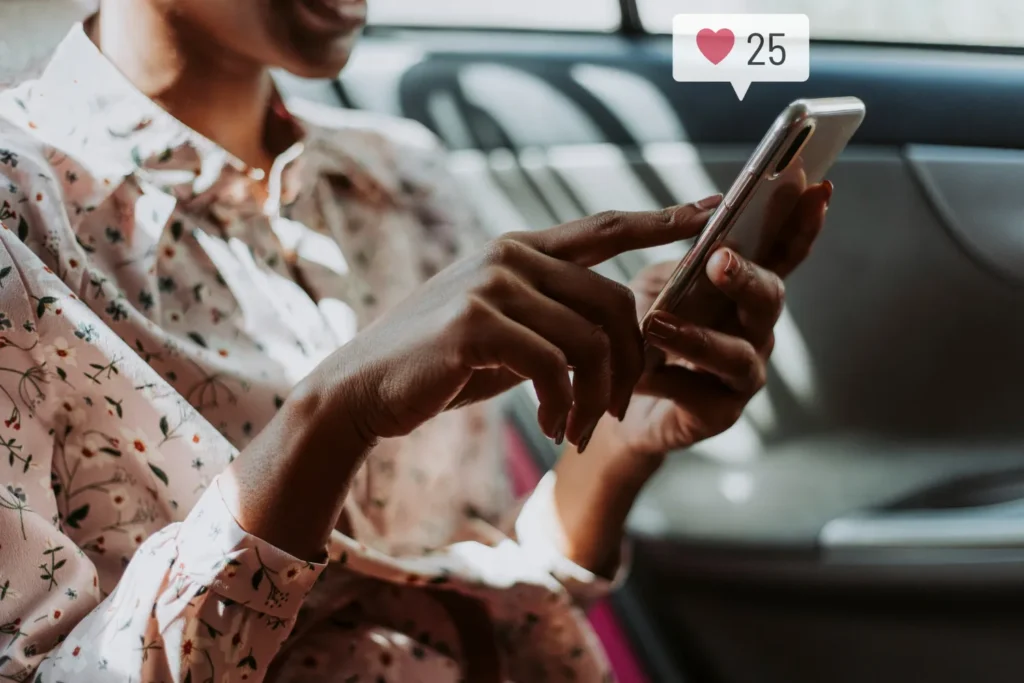
Social media has changed how we live in East Africa. We all have far too many WhatsApp groups we’re part of and half of us start our day by scrolling through TikTok. At this point, most of us spend several hours online every day. While it helps us stay connected in some ways, it’s important to understand how social media affects our minds and our health.
The Cycle of Addiction
Many people joke about being “addicted” to their phones, but the science behind it is real. Social media platforms are designed to keep you looking at your screen for as long as possible. That’s how they earn their income as a free service for most users.
It works in 3 ways:
- The Dopamine Hit: When you receive a like, a comment, a new follower, or any other interaction your brain releases a chemical called dopamine. This is the same chemical released when we eat good food or win a prize. It makes us feel happy for a short time.
- The Craving: Because that happy feeling disappears quickly, your brain wants more. You begin to check your phone repeatedly, even when you have no notifications.
- Loss of Control: Addiction happens when you cannot stop using social media, even when it interferes with your work, your sleep, or your time with family. You may not even be enjoying yourself, but you still instinctively reach for your phone all the time.
Impact on Mental Health
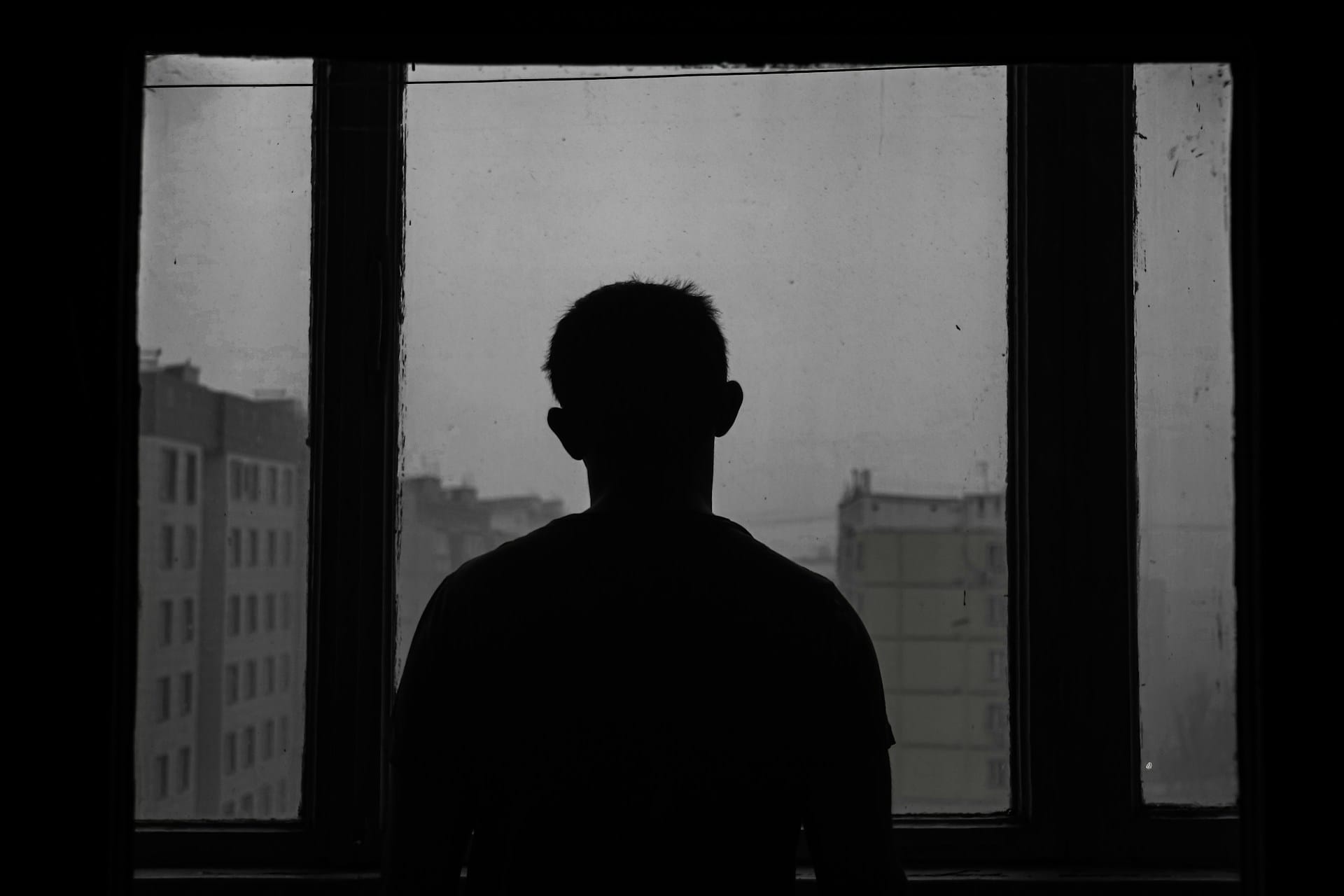
Social media is a digital environment that can change how we feel about ourselves. Depending on how we interact with social media, we can experience massive shifts in our mental health. Here are a few ways this happens.
1. The Comparison Trap
On social media, people usually only post their best moments. Weddings, new cars, vacations, birthdays, celebrations, nights out with friends… When we compare our normal, everyday lives to these filtered looks, we often feel like we are failing. This can lead to low self-esteem and sadness.
2. Anxiety and the Fear of Missing Out
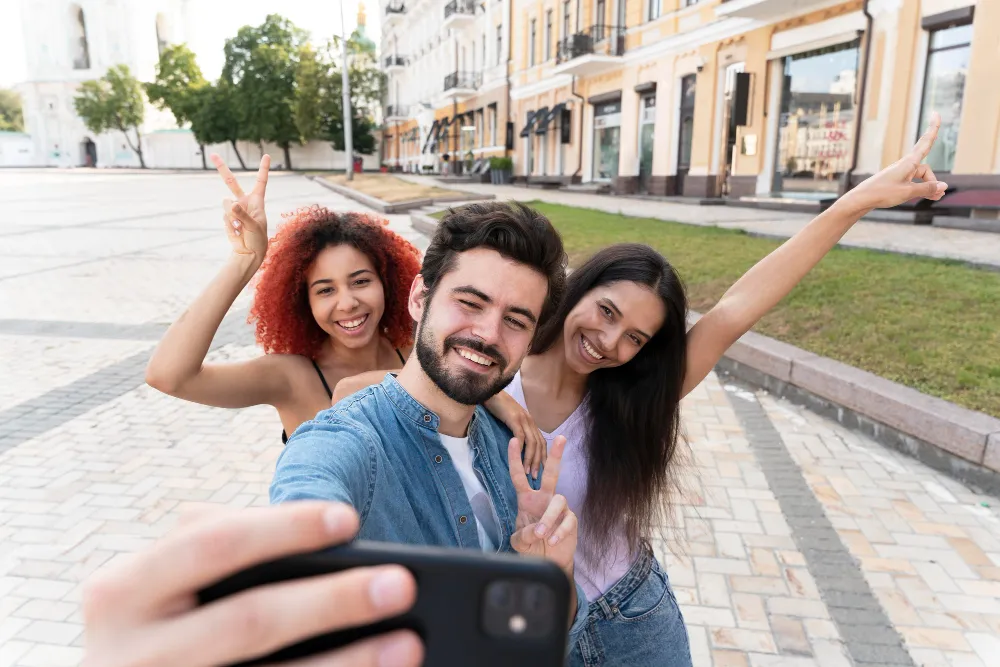
Have you ever felt worried because you saw your friends at a party you weren’t invited to? This is called the Fear of Missing Out (FOMO). It creates a constant state of anxiety, making us feel like everyone else is having a better life than we are.
It also weakens our connections within our network. If we feel like we’re not as close to our friends as others who they take pictures/videos with, we may get a distorted perspective on our own friendships. We can begin to wonder what’s wrong with us, assuming that there must be something wrong that’s causing us not to get invited when we feel we should.
3. Sleep Disruption
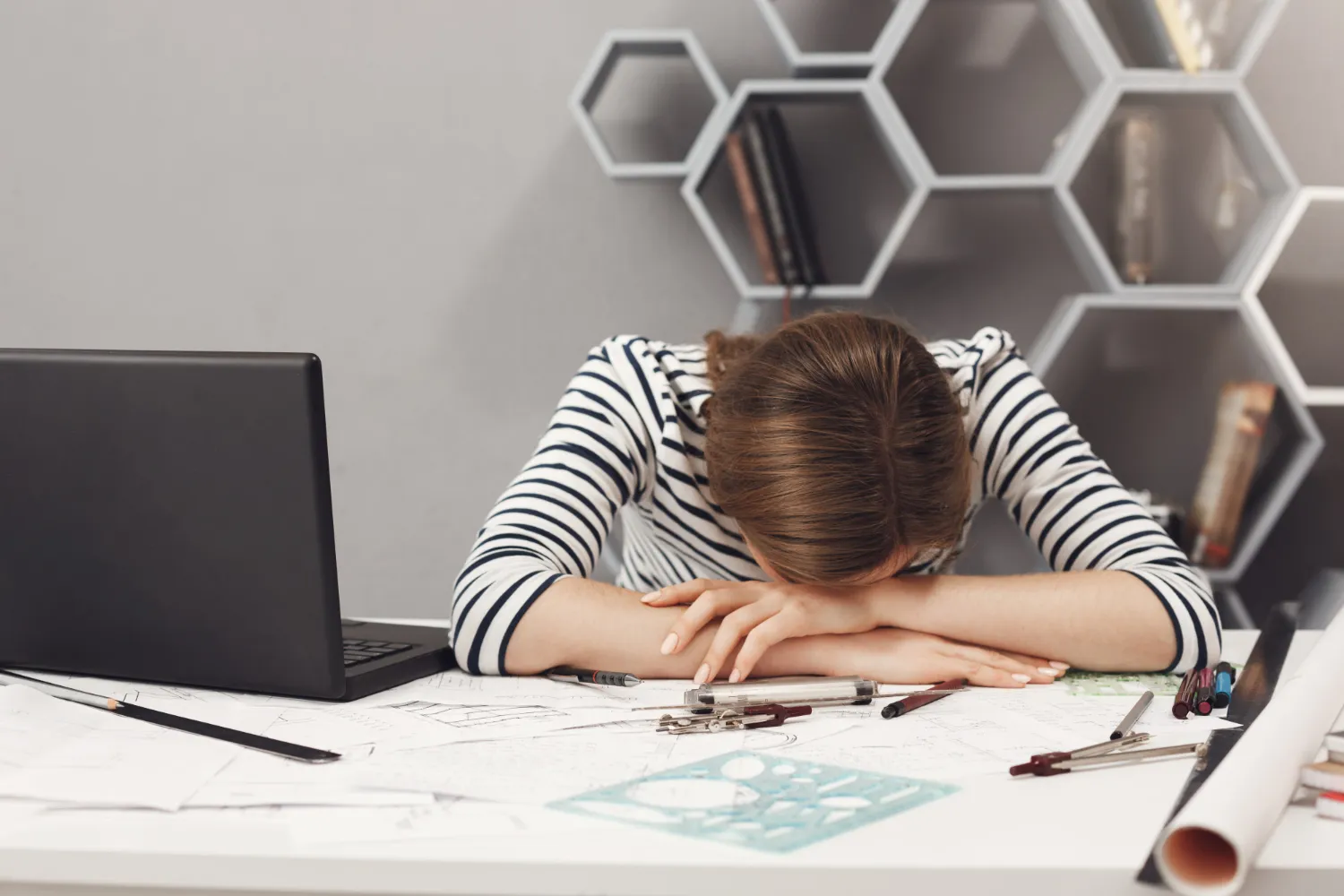
Using your phone late at night is one of the worst things for your mental health. The bright light from the screen tells your brain to stay awake and the apps you’re using are mentally draining. Even though your body is in a resting position, your mind is not getting a chance to relax. Lack of sleep makes it harder to manage stress and can lead to irritability and depression.
It’s a vicious cycle. The more you use your phone at night, the more you feel like you can’t sleep without it. You may lay down and feel like you can’t sleep, so you take out your phone and use it until you feel mentally tired, which makes it even harder to sleep. The cycle repeats.
How to Build a Healthy Habit
Social media is not bad by itself, but how we use it matters. To protect your mental health, consider these 3 steps:
- Set Time Limits: Use a clock or an app to limit your social media use to one hour a day.
- Turn Off Notifications: You don’t need to know the second someone likes a photo. Check your apps when you want to, not when the phone vibrates.
- Morning and Night Routine: Keep your phone away for the first hour of the morning and the last hour before sleep.
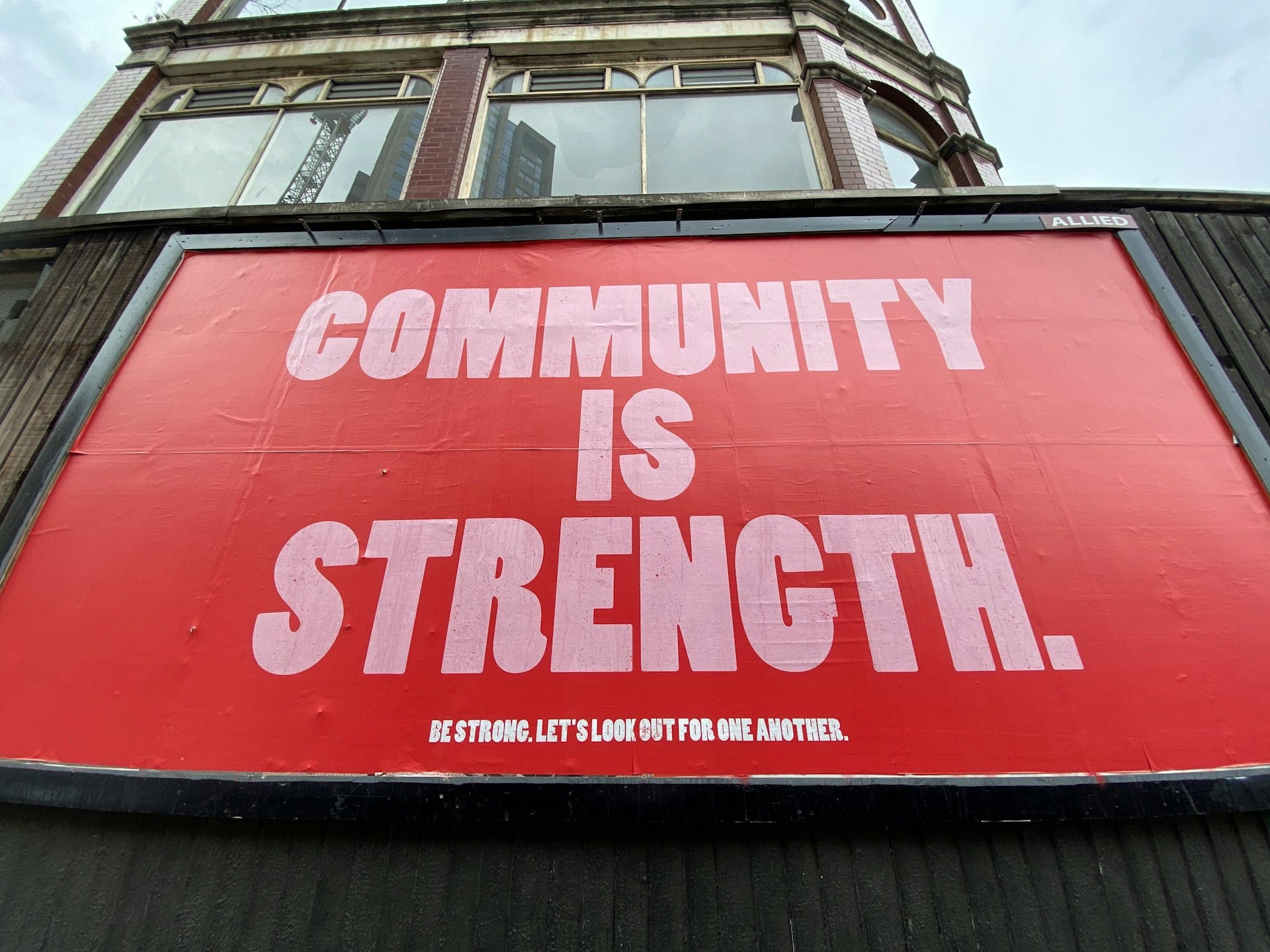
The Bottom Line: Social media should be a tool that serves you, not a master that controls you. By being mindful of how much time we spend online, we can enjoy the benefits of connection without damaging our mental well-being.