Removing the Stigma: Let’s Talk about Postpartum Depression
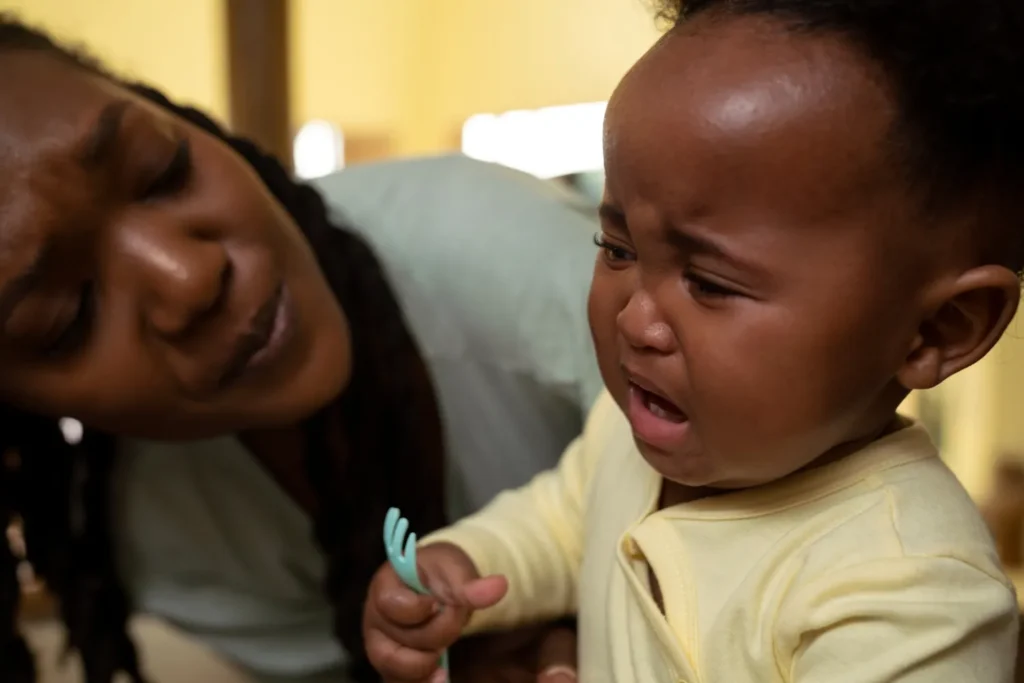
Postpartum Depression (PPD) is a topic often shrouded in silence, especially in communities across Tanzania and Kenya, where new mothers are expected to be solely joyful. When a new mother finds herself struggling with persistent sadness, anxiety, or a lack of connection with her baby, it can feel like a failure.
But it is not a failure; it is a common health condition. It’s time we remove the stigma and talk openly about PPD.
What is Postpartum Depression (PPD)?
Simply put, Postpartum Depression is a kind of depression that happens after a woman gives birth. It is much more serious and lasts much longer than the “baby blues,” which are common mood swings, sadness, and tiredness that usually go away within the first two weeks after delivery.
PPD is a real medical illness. It is not something a woman can just “snap out of” or get over by trying harder.
How PPD is Different from “Baby Blues”:
| Feature | Baby Blues (Common) | Postpartum Depression (Serious) |
|---|---|---|
| Timing | Starts 2-3 days after birth, ends by 2 weeks. | Can start anytime, often within the first month, but sometimes up to a year after birth. |
| Severity | Mild, temporary mood swings, tearfulness, and worry. | Intense feelings of sadness, despair, anxiety, and often feeling hopeless. |
| Impact | Does not usually interfere with daily life or caring for the baby. | Makes it difficult to perform daily tasks, care for the baby, or even get out of bed. |
| Need for Help | No medical treatment needed, just rest and support. | Requires professional medical or mental health support. |
How Does PPD Occur?
PPD is not caused by weakness or poor character. It is caused by a mix of factors that affect a new mother:
1. Hormonal Changes
When a woman is pregnant, her hormone levels (especially estrogen and progesterone) are very high. Immediately after giving birth, these levels drop rapidly to pre-pregnancy levels. This quick change is like a powerful shock to the body’s chemistry and can trigger depression, similar to how hormonal changes can cause mood swings before a menstrual period, but on a much larger scale.

2. Lack of Sleep and Exhaustion
Caring for a newborn is exhausting. Sleep deprivation, or chronic lack of sleep, can greatly affect a person’s mood, ability to think clearly, and emotional stability. Constant tiredness makes it much harder for a mother to cope with the normal stresses of motherhood.
3. Emotional and Cultural Stress
In many communities, new mothers face immense pressure:
- The Pressure to Be Perfect: The expectation is that the mother should be instantly happy and perfectly capable of handling everything.
- Lack of Help: Sometimes, mothers do not have enough practical support from family or their partner with chores, cooking, and night feeds. In fact, there may even be added responsibilities related to people stopping in and staying to visit after the baby is born.
- Cultural Stigma: Admitting to feeling sad or overwhelmed can be seen as shameful or ungrateful, making mothers hide their feelings instead of asking for help.
Who Suffers From PPD?
PPD can affect anyone who gives birth, regardless of their background, income, or how much they love their baby. However, some factors can make a person more likely to experience it:
- Previous History of Depression or Anxiety: If a woman has struggled with depression before, during pregnancy, or even in her family history, she is at higher risk.
- Lack of Support: Not having a supportive partner, family, or friends can increase stress and the likelihood of PPD.
- Stressful Life Events: Financial worries, relationship problems, or recent losses can trigger PPD.
- Difficult Birth or Complications: A traumatic delivery experience, a premature baby, or a baby with health problems can increase the risk.
It is also important to remember that another form of PPD, known as paternal postpartum depression, can also affect fathers! They also experience big life changes, sleep loss, and emotional stress. Their mental health matters too.
What to Do About PPD: Steps to Healing
If you, or someone you know, are showing signs of PPD, the most important message is: You are not alone, and help is available. Getting support is a sign of strength, not weakness.
1. Talk to a Trusted Person
The first step is to break the silence. Confide in a trusted relative, your spouse, a community health worker, or a religious leader. Just saying the feelings out loud can be a huge relief. You can say something simple like, “I’m struggling to feel happy right now,” or “I feel overwhelmed and I need help.”
2. Seek Professional Help
In Tanzania and Kenya, there are health professionals who can help:
- Visit the Health Center or Clinic: Speak to the nurse or doctor who handled your pregnancy and delivery. They can screen you for PPD and connect you with local services.
- Ask for a Counsellor or Psychologist: Mental health professionals can offer therapy (talking sessions) that are very effective for PPD.
- Consider Medication (if recommended): For severe PPD, a doctor might recommend safe antidepressant medication. This is a medical treatment, just like medicine for a fever or high blood pressure, and should not be feared.
3. Practical Steps for Daily Life
While seeking professional help, these small, daily actions can make a difference:
| Strategy | Action Point |
|---|---|
| Prioritize Sleep | Sleep when the baby sleeps, even if it is during the day. Ask your partner or family to take over baby watch for a few hours so you can get one solid block of rest. |
| Eat Well | Try to eat regular, nutritious meals. Skip the snacks and fast food and focus on fresh produce and healthy meals, even if it means asking someone to help you prepare food ahead. |
| Move Your Body | A short walk outside, even for 15 minutes, can boost your mood and energy. Natural light is essential. |
| Ask for Help | Do not try to be a Superwoman. Ask your partner or family to take care of household chores, cooking, and laundry, and to help you care for the baby when you’re feeling unable to. Accept all offers of help. |
| Connect with Others | Spend time with positive friends or family members. Avoid isolating yourself. Talking to other new mothers can also help you feel less alone. |
By openly discussing Postpartum Depression, we stop seeing it as a moral failing and start seeing it as a treatable health condition. Supporting a mother’s mental health is essential for her well-being, the baby’s health, and the strength of the whole family. Let’s pledge to be more understanding, more supportive, and remove the stigma, one conversation at a time.